How to Repair a Chain Link Fence (A DIY-Friendly Step-by-Step Guide)
January 16, 2026
So your chain link fence took a hit. Maybe from a falling branch, a runaway lawnmower, or Oklahoma winds doing…


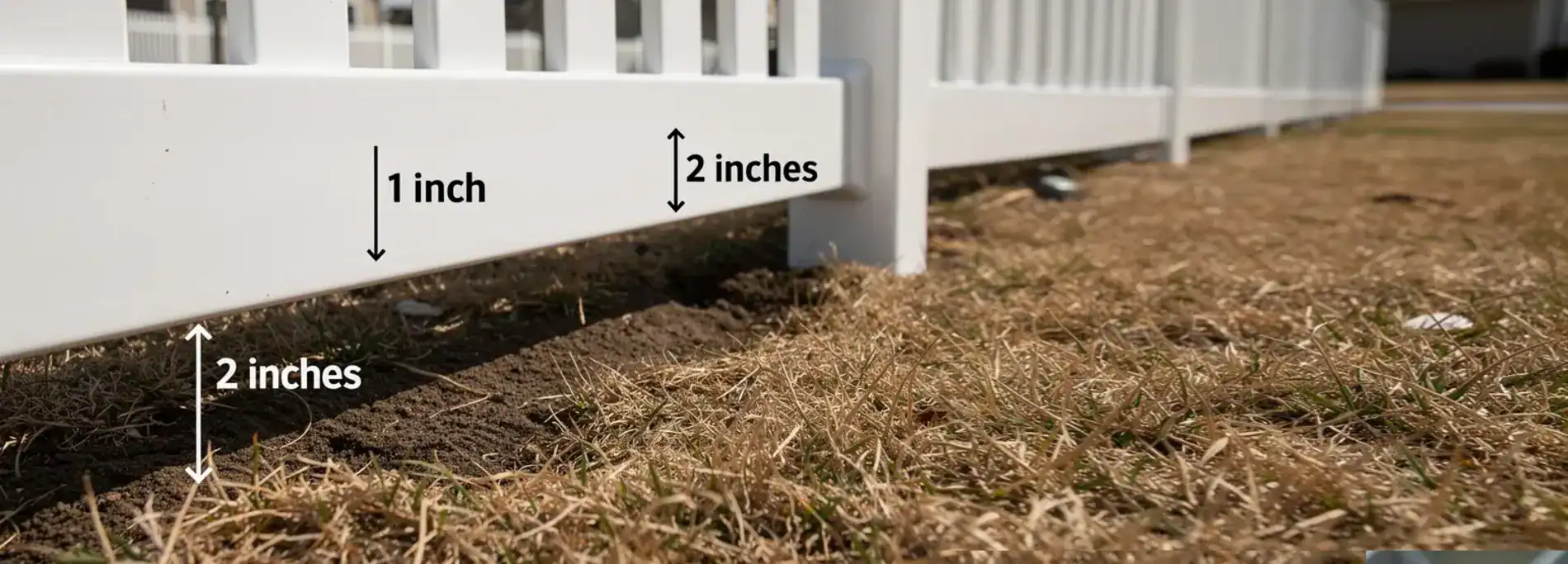
If you’ve ever wondered whether installing a fence is worth the upfront cost, you’re not alone. Homeowners across Oklahoma City ask this question every day—and the answer, especially when it comes to vinyl fencing, is a resounding yes. A vinyl fence doesn’t just define your property lines. It works quietly in the background, boosting curb appeal, enhancing your outdoor space, and nudging your resale price upward in ways that few other home improvements can match.
Here’s the bottom line: according to national real estate data, a fence can increase home value by anywhere from $5,000 to $15,000, depending on the market, materials, and installation quality. Homeowners who invest in a quality vinyl fence typically recoup 50–75% of their installation costs at resal, and in competitive markets like Oklahoma City, that number can climb even higher.
Unlike many home improvements that only serve the current owner, a well-maintained fence is a major selling point that attracts buyers the moment they pull into the driveway. It signals security, privacy, and pride of ownership. In this complete 2026 guide, we’ll break down everything you need to know: what vinyl fencing costs, how much value it adds, how it compares to other fencing materials, and how to maximize your return on investment.
| Fence Length | Estimated Install Cost | Estimated Value Added | ROI Range |
|---|---|---|---|
| 100 linear feet | $2,500–$5,000 | $1,500–$3,500 | 50–70% |
| 150 linear feet | $3,750–$7,500 | $2,500–$5,500 | 55–75% |
| 200 linear feet | $5,000–$10,000 | $3,500–$7,500 | 60–75% |
| 300+ linear feet | $7,500–$15,000 | $5,000–$12,000 | 65–80% |
Before you can calculate your return, you need to understand what a vinyl fence installation actually costs in today’s market. Prices have shifted over the past few years due to material costs and labor demand, so here’s an updated breakdown for 2026.
On average, homeowners in Oklahoma and surrounding states pay between $25 and $50 per linear foot for vinyl fence installation, including both materials and labor. That puts the typical residential project—covering about 150–200 linear feet of yard—somewhere between $4,000 and $10,000 total.
The cost per linear foot varies based on the style, height, and quality of the vinyl you choose:
Higher-grade vinyl with UV-resistant additives and thicker walls costs more upfront but pays off in long-term durability and reduced maintenance. Cheap vinyl may warp, yellow, or crack within a decade, canceling out its home value benefits entirely.
Here’s what you can realistically expect to pay for a complete vinyl fence installation by project size in the Oklahoma City region:
| Project Size | Material Cost | Labor Cost | Total Estimate |
|---|---|---|---|
| 100 linear feet | $1,200–$2,500 | $800–$1,500 | $2,000–$4,000 |
| 150 linear feet | $1,800–$3,750 | $1,200–$2,250 | $3,000–$6,000 |
| 200 linear feet | $2,400–$5,000 | $1,600–$3,000 | $4,000–$8,000 |
| 250 linear feet | $3,000–$6,250 | $2,000–$3,750 | $5,000–$10,000 |
Regional pricing in Oklahoma City tends to be more competitive than on the coasts, making it an especially favorable market to fence now and sell later.
Some homeowners consider DIY vinyl fence installation to save money, and it’s technically possible—vinyl is lighter than wood, and the panels snap together more easily than traditional fencing materials. However, DIY installation carries real risks:
A poorly aligned fence, incorrect post depth, or inadequate concrete footing can compromise the structure’s stability and longevity. More importantly for resale, a fence that looks crooked or uneven can hurt rather than help your home’s market value. Real estate professionals and home appraisers are trained to notice these details.
Professional installation ensures the job is done right the first time—and many contractors like Tiller Fence & Deck include permit handling, which adds legitimacy and documentation to your project for future buyers.
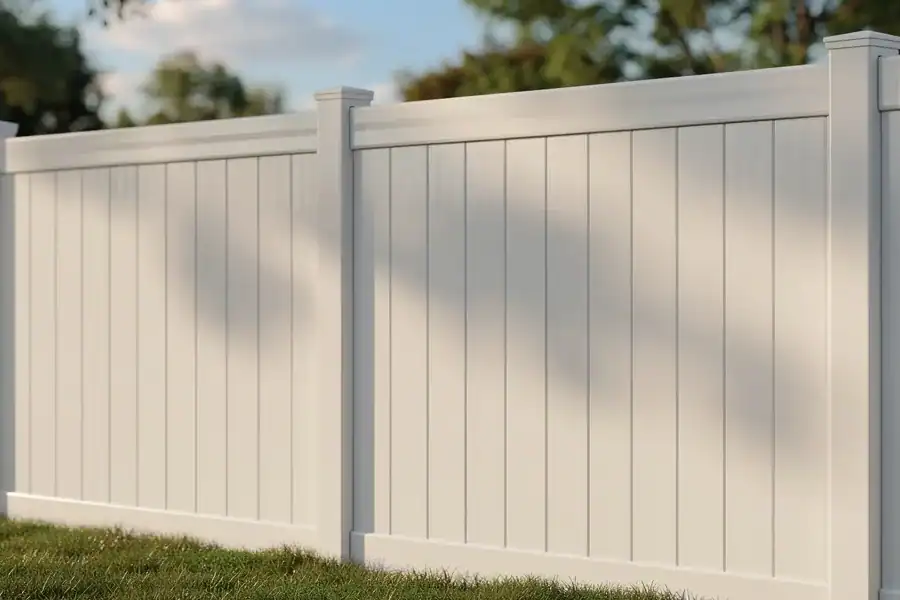
This is the core question, and it deserves a detailed answer.
A vinyl fence adds value in two distinct ways: appraised value (what a licensed appraiser assigns to the property) and perceived value (what buyers are willing to pay based on what they see). Both matter.
According to data from Remodeling Magazine’s annual Cost vs. Value Report and surveys of real estate agents, a fence installed properly and maintained well can add 5–10% to a home’s perceived value in the eyes of potential buyers. For a home valued at $250,000, that’s $12,500–$25,000 in added buyer interest—well above the cost of most fence projects.
In dollar terms, the national average suggests a quality fence installation adds between $4,000 and $15,000 to a home’s sale price, depending on location, fence type, and condition. Vinyl fencing sits near the top of that range because of its low-maintenance appeal and modern appearance.
In the Oklahoma City metro, curb appeal matters enormously. Neighborhoods with well-kept yards and defined boundaries consistently command higher prices and sell faster than comparable homes without these features. Local buyer, many of whom have families, pets, or simply value privacy—prioritize fenced yards as a top priority when house hunting.
Real estate agents in OKC regularly report that a new fence, especially a vinyl privacy fence, can be the difference between a listing sitting on the market for weeks versus going under contract within days. In suburban neighborhoods like Edmond, Moore, Yukon, and Midwest City, a fenced yard is essentially expected by many buyers, making it less of a luxury and more of a baseline requirement.
For homes located near a busy street or with a yard that backs up to a commercial area, a sturdy fence transforms what might otherwise be a dealbreaker into a private oasis—and that’s where you can recoup the most value.
Consider a real-world scenario: A homeowner in Norman, OK, has a 3-bedroom home listed at $230,000. The backyard is open with no fencing. Comparable homes in the area with fenced yards are listing at $238,000–$245,000. After investing $5,500 in a professional vinyl fence installation, the listing price is bumped to $241,000—a net gain of $11,000 on a $5,500 investment.
That’s a return of roughly 200% on the actual cost—far exceeding the 50–75% national average, and it’s not unusual in markets where buyer demand for fenced yards is high.
Not all fences are created equal when it comes to adding value. The right fence, installed correctly, in the right location, can dramatically outperform a poorly planned project. Here’s what separates a smart investment from a wasted one.
The height and style of your vinyl fence directly affect both its function and its value contribution. A 6-foot privacy fence is the gold standard for backyard installations—it provides a true sense of enclosure, limits visibility from neighbors and passersby, and creates that coveted private oasis feeling that many buyers pay a premium for.
A 4-foot picket or semi-privacy vinyl fence works well for front yards, where an imposing wall would feel out of place, but a defined, attractive border boosts curb appeal without blocking natural light or feeling oppressive.
Material quality matters too. Unlike wood fences that can warp, rot, or splinter over time, quality vinyl stacks up against the elements far better. Look for vinyl with a wall thickness of at least 0.12 inches and UV-inhibitor additives that prevent yellowing. A yellowed or dirty fence signals neglect, which is the last thing you want when selling a home.
Where you install your fence matters as much as what you install. A fence in the backyard delivers lifestyle value—privacy, safety, and a safe space for children and pets. A fence in the front yard delivers curb appeal value—that critical first impression that either attracts buyers or sends them scrolling to the next listing.
For maximum ROI, consider both. A well-designed fence that wraps from the front yard through both sides to the back creates a cohesive, polished look that elevates the entire property.
Landscaping integration amplifies the effect. A vinyl fence framed by mature shrubs, flowering plants, or decorative mulch borders looks intentional and refined—a far cry from just a boundary between your property and the neighbor’s.
One often-overlooked factor: compliance. A fence that violates HOA rules or was installed without the proper permits can actually hurt your home sale—requiring costly removal or fines before closing. Always confirm local regulations before installation, or work with a contractor who handles permit acquisition as part of the project.
When a fence comes with documentation—permits, HOA approval letters, manufacturer warranties—it signals to buyers and their agents that the installation was done professionally and will hold up. This legitimacy adds a subtle but real layer of value.
How does vinyl stack up against other popular fencing materials when it comes to home value? The comparison isn’t even close in most categories.
| Fence Type | Avg. Cost/Ft (Installed) | Lifespan | Maintenance | Curb Appeal | ROI Potential |
|---|---|---|---|---|---|
| Vinyl | $25–$50 | 25–35 years | Very Low | High | 50–75%+ |
| Wood fences | $15–$30 | 10–15 years | High | Moderate | 30–50% |
| Chain link fence | $10–$20 | 15–20 years | Low | Low | 10–25% |
| Metal fences / Aluminum | $25–$40 | 30+ years | Low | High | 45–65% |
| Wrought iron | $30–$55 | 50+ years | Moderate | Very High | 50–70% |
If you’re installing a fence as part of a plan to sell your home, timing and presentation matter. Here’s what real estate agents consistently recommend:
Let’s address the misconceptions that hold some homeowners back from making a smart investment.
Myth #1: “Vinyl fences look cheap.” Early vinyl products from the 1990s had a plasticky, artificial appearance that earned this reputation. Today’s premium vinyl is engineered to mimic the look of painted wood with better structure. Modern home buyers—particularly millennials—actively prefer the clean lines of contemporary vinyl over the rustic but high-maintenance look of traditional wood fences.
Myth #2: “A fence won’t affect my appraisal.” Technically, appraisers value based on comparable sales, not material improvements alone. But here’s the truth: homes with fenced yards in neighborhoods where fencing is common consistently appraise higher than unfenced alternatives—because the comps themselves reflect this preference.
Myth #3: “It’s just a boundary—not a real home improvement.” A fence is far more than just a boundary. It creates outdoor rooms, establishes a safe space for families, increases security, and fundamentally changes how buyers perceive and experience a home. That’s not just a boundary. That’s a lifestyle upgrade.
Myth #4: “Vinyl fencing benefits don’t outweigh the cost.” In most residential markets, they do—especially when you factor in the savings on maintenance over 20–30 years compared to wood, and the increased pool of interested buyers at resale.
Myth #5: “I can always add a fence later.” Sellers who think they’ll add a fence “eventually” often find themselves scrambling before a sale—rushing a project that deserves careful planning. A fence project rushed before listing is more likely to look hasty and less likely to attract the right buyers.
In Oklahoma City and surrounding areas, vinyl fence installation typically runs $25–$50 per linear foot installed, including materials and labor. Premium styles and decorative gates will push costs higher.
Potentially, yes. If a fence significantly increases your home’s assessed value, your property taxes could increase modestly. However, the increase is typically small and more than offset by the added resale value and lifestyle benefits.
National data puts the average return at 50–75% of installation cost at resale. In markets with high demand for fenced yards—like Oklahoma City suburbs—that ROI can exceed 100% when accounting for faster sale times and higher offers.
Quality vinyl fences last 25–35 years with minimal maintenance. This long term durability is one of the key reasons vinyl outperforms wood for resale value—buyers know they won’t be replacing it anytime soon.
Yes, indirectly. A 6-foot privacy fence in the backyard is associated with greater perceived value than a shorter decorative fence, especially for buyers with children or pets. However, check local codes—many municipalities cap residential fence height at 6 feet without a variance.
Absolutely. OKC’s buyer pool skews heavily toward families and homeowners who value outdoor space. A fenced yard is a top priority for many buyers in the area, and vinyl is the preferred material for its low maintenance and long-term durability.
In many cases, yes. Especially in neighborhoods where fenced yards are standard, an unfenced home may sell for significantly less than comps with fencing—meaning the fence essentially pays for itself by bringing your property in line with market expectations.
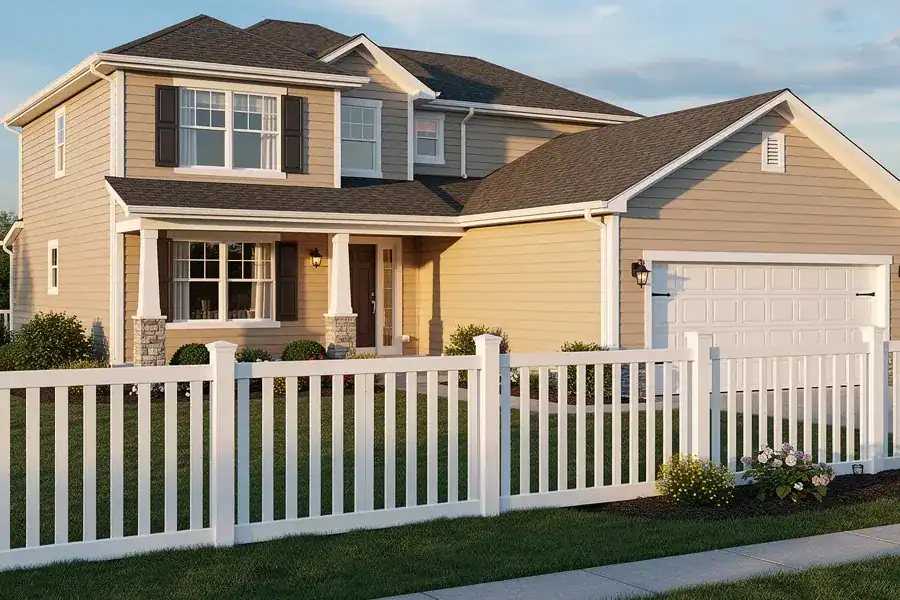
The data is clear: a vinyl fence is one of the most practical and financially sound home improvements an Oklahoma City homeowner can make. It delivers immediate lifestyle benefits, privacy, security, a defined outdoor spac, while building long-term equity in a way that few other fence projects can match.
Whether you’re installing a fence because you need it now or because you’re thinking about your property’s future, the numbers work in your favor. A professionally installed vinyl fence from a licensed contractor adds market value, attracts buyers, helps your home stand out, and can help you sell faster than comparable unfenced properties.
Unlike wood fences that demand constant upkeep, or chain link fences that fail to impress even the least discerning buyer, vinyl is the right fence for the modern home. It’s low maintenance, long-lasting, an, most importantly—it’s what today’s buyers want.
If you’re in the Oklahoma City area and ready to explore what a new vinyl fence could do for your property value, Tiller Fence & Deck offers free estimates with no obligation. Our team has been serving Norman, OKC, and surrounding communities for over 18 years—and we’ll help you choose the right fence for your home, your budget, and your goals.
Contact Tiller Fence & Deck today at (405) 784-4424 or schedule your free estimate online. Because a good fence isn’t just a smart investment—it’s the beginning of a better home.


