
Ranch And Farm Fence Contractors in Oklahoma City
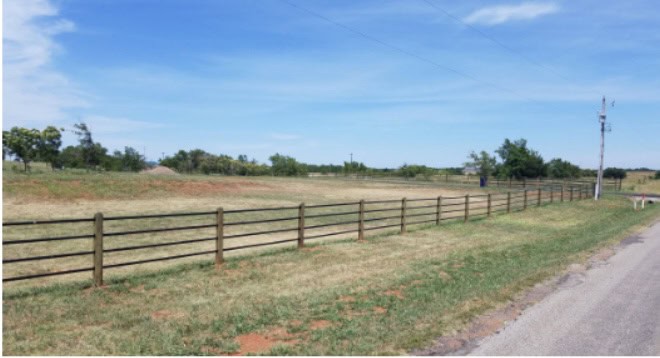
Secure & Durable Fencing Solutions
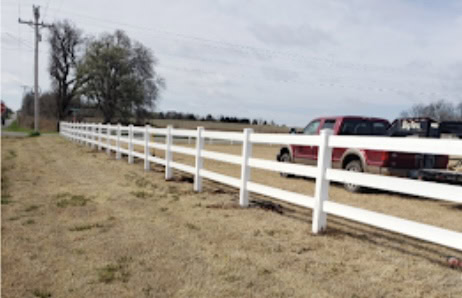
Custom Farm & Ranch Fencing Solutions
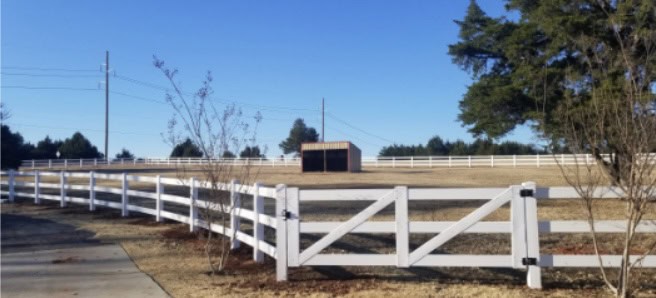
The Tiller Difference:
Why Choose Tiller Fence & Deck for Farm & Ranch Fencing?
Our Work in Action:
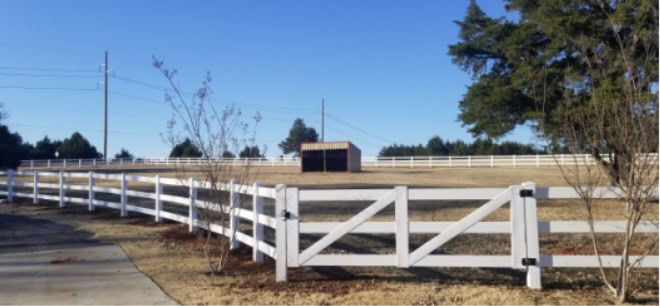
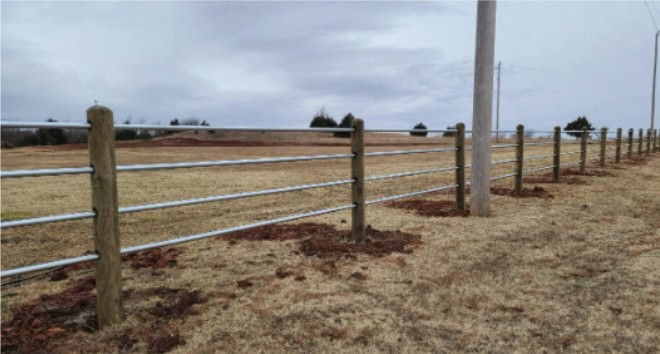
See Our Farm & Ranch Fence Installations
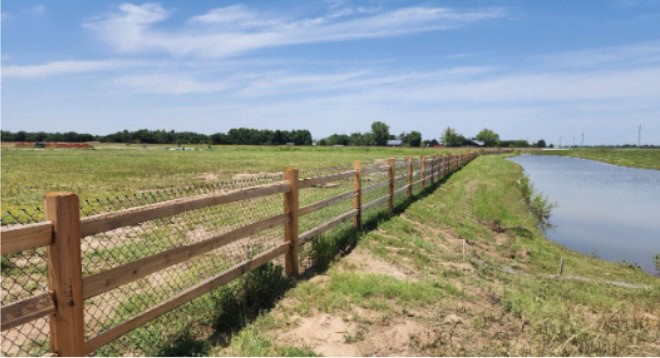


Common Questions About Farm & Ranch Fencing
What is the best type of fence for a farm or ranch?
The best fencing depends on your needs. Barbed wire and high-tensile fencing are ideal for cattle, while split rail and pipe fencing work well for horses.
How much does farm fencing cost?
Farm and ranch fencing typically costs between $3 and $25 per linear foot, depending on the materials, fence height, terrain, and installation complexity. Barbed wire is usually the most affordable, while pipe or wooden fencing tends to cost more but provides superior strength and visual appeal. Tiller Fence & Deck provides free on-site estimates to give you an accurate quote tailored to your property.
How long does a farm fence last?
With quality materials and professional installation, a well-built farm fence can last 20 to 40 years or more. The lifespan depends on the material—pipe and cable and high-tensile wire offer the longest durability, while wood fences may require periodic maintenance. Regular inspections and upkeep help extend your fence’s life even further.
Do I need a permit to install farm fencing?
In most rural areas, farm and ranch fences don’t require permits, but certain locations or property types—especially near city limits or along public roads—may have zoning or height restrictions. Our team handles permit verification to ensure your fencing project complies with all local regulations before installation begins.
Can I electrify my farm fence?
Yes. Electric fencing is a safe and effective option for controlling livestock and protecting crops. It provides a mild shock to discourage animals from pushing or leaning against the fence. Electric fences can be used alone or combined with barbed wire or high-tensile fencing for added effectiveness and are designed to operate efficiently in Oklahoma’s weather conditions.