How To Clean Black Aluminum Fence
January 23, 2026
A black aluminum fence adds clean lines, curb appeal, and long-term value to your yard. It's durable, affordable, and designed…

If you’re investing in a new fence, you want to know it’ll stand the test of time. Vinyl fences are one of the most popular fencing materials on the market today, and for good reason. But how long does a vinyl fence last, really? The short answer: most vinyl fences last 20 to 30 years, with premium-grade vinyl installations lasting 40 to 50 years or more.
Whether you’re replacing tired wood fences, exploring low-maintenance fencing options, or simply weighing your choices before committing to a fence line, this guide covers everything you need to know about vinyl fence longevity, from the science of the vinyl material itself to the key factors that determine how long your fence actually holds up.
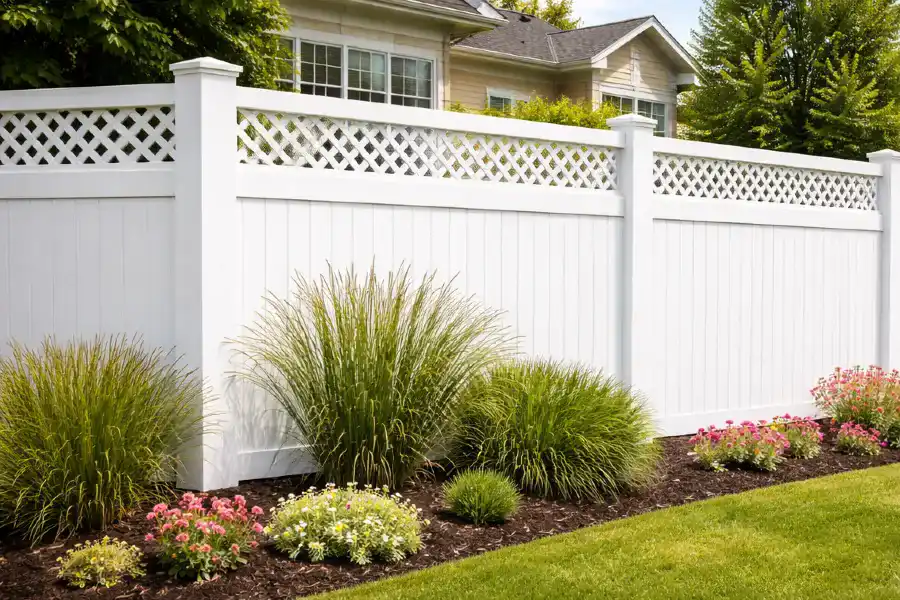
Vinyl fencing is made from polyvinyl chloride (PVC), a synthetic plastic resin engineered for outdoor durability. Unlike wood fences that absorb moisture, crack, and rot over time, or chain link fences that corrode and rust, vinyl stands up to the elements without the need for constant upkeep. The material itself doesn’t rot, splinter, or attract termites, issues that regularly cut the lifespan of wooden fences short.
A high–quality vinyl fence also contains UV stabilizers and titanium dioxide, which protect the fence from sun damage and prevent the fading and yellowing that cheaper vinyl products can develop over time. These additives are what separate a truly long-lasting fence from one that looks weathered after just a few years.
It’s worth noting that not all vinyl is created equal. Budget vinyl products may lack adequate UV protection and use thinner panels that are more prone to cracking. Premium-grade vinyl fencing, on the other hand, is engineered to maintain its structural integrity and aesthetic appeal for decades.
When comparing the lifespan of a vinyl fence to other fencing materials, vinyl consistently comes out ahead. Here’s how it stacks up:
| Material | Average Lifespan | Maintenance Level | Rot/Rust Resistant |
|---|---|---|---|
| Vinyl Fence | 20–50+ years | Low | Yes |
| Wood Fences (Pine/Cedar) | 10–20 years | High | No |
| Chain Link Fences | 15–25 years | Medium | Partial |
| Aluminum / Iron Fences | 20–30 years | Medium | Partial |
| Cedar Fence | 15–25 years | High | No |
Traditional wood fences, like a cedar fence or pine picket fence, have a natural beauty that many homeowners love, and wooden fences certainly have their place in terms of fencing style and curb appeal. But unlike wood fences, vinyl requires no staining, painting, or re-staining ever. Over the full ownership period, that translates into significant time and money savings, even if the initial cost of vinyl is slightly higher per linear foot.
Vinyl fence longevity isn’t just about the material itself. Several key factors influence whether your fence lasts 20 years or pushes past 40.
High-quality vinyl made with premium-grade virgin PVC and built-in UV stabilizers will dramatically outlast budget alternatives. Premium-grade vinyl panels are typically thicker (0.135 inches or more), more impact-resistant, and better equipped to handle harsh weather conditions. If someone tells you vinyl fences break easily, they’re likely referring to thin, low-grade products, not the professionally installed, premium-grade systems available from reputable contractors.
Even the best vinyl material will underperform if the installation process is done incorrectly. Fence posts must be set at the appropriate depth, typically one-third of the total post length, with a gravel base for drainage. Posts that are too shallow are vulnerable to shifting ground and soil movement over time, compromising the entire fence line. A professional installer ensures every post is plumb, every panel is level, and the structure is built to handle Oklahoma’s high winds and temperature swings.
Vinyl stands up remarkably well to a wide range of weather conditions. Unlike wood, it won’t absorb moisture and warp, and unlike chain link, it won’t rust in humid conditions. That said, extreme UV exposure in very sunny climates can cause fading over time in lower-quality products. In Oklahoma City, where summers are hot and winters can deliver ice storms, choosing a fence with adequate UV protection and impact resistance is especially important for maximum longevity.
One of the biggest selling points of vinyl is that it’s virtually maintenance-free compared to traditional materials. That said, minimal maintenance goes a long way toward protecting your investment. Rinsing the fence periodically with a garden hose to remove surface dirt, algae, and grime is typically all that’s needed. For tougher stains, mild soap and water do the job without damaging the finish. Avoid pressure washing at close range or using abrasive cleaners that can scratch the surface.
While high-quality vinyl is impact-resistant, it’s smart to be mindful of lawn equipment and vehicles near the fence line. Regular trimming around fence posts prevents moisture buildup from vegetation, and avoiding hard impacts from lawn equipment keeps panels intact for the long haul.
Oklahoma City Tip: In our region, soil movement from clay-heavy soils can shift fence posts over time. A professional installation with proper post depth and drainage is critical for maintaining your fence’s structural integrity through freeze-thaw cycles and wet seasons.

Most homeowners are pleasantly surprised by just how little effort a vinyl fence demands. Unlike traditional wood fences that require regular maintenance — sanding, staining, painting, re-staining every few years, or traditional materials like iron that require rust treatment, vinyl offers a dramatically simpler ownership experience.
Here’s a simple maintenance checklist to keep your fence in top shape:
Compare that to the constant upkeep demanded by wooden fences — scraping, sanding, painting, and dealing with rot — and the appeal of vinyl fencing becomes clear. Over a 20 to 30-year period, the labor savings alone can easily offset the slightly higher initial cost per linear foot.
Long-term durability is the headline, but vinyl offers several other advantages that make it a smart choice for Oklahoma City homeowners.
A high-quality vinyl fence with UV stabilizers and titanium dioxide additives performs very well in hot climates, typically lasting 20 to 40+ years. Lower-grade products may experience fading sooner, which is why investing in premium-grade vinyl matters in sun-intensive regions.
The idea that vinyl fences break easily is a myth when applied to premium-grade vinyl. Thin, budget-grade panels can crack under impact, but high-quality vinyl engineered for residential and commercial use is highly impact-resistant and built to withstand harsh weather conditions, including high winds common to the Oklahoma City area.
Vinyl fencing’s lifespan is roughly two to three times longer than most wood fences. While a cedar fence or traditional wood fence typically lasts 10 to 20 years with proper care and regular maintenance, the average lifespan of a vinyl fence ranges from 20 to 30 years, and premium installations can push 40 to 50 years.
Unlike wood fences and chain link fences, vinyl doesn’t rot, rust, splinter, or attract pests. It’s also unlike wood in that it requires no painting or re-staining. The polyvinyl chloride construction is inherently moisture-resistant and, with proper UV stabilizers, color-stable for decades.
Watch for cracking or brittleness in panels, significant fading or discoloration that cleaning won’t resolve, fence posts that lean or shift from soil movement, and sections that no longer sit level or connect properly. In most cases, individual panels can be replaced without redoing the entire fence.
Absolutely. Proper installation is one of the biggest factors in long-term durability. A professional installer ensures correct post depth, adequate drainage, and a structurally sound fence line that can handle shifting ground and high winds. Poor installation can cut a fence’s life in half, regardless of the vinyl quality.
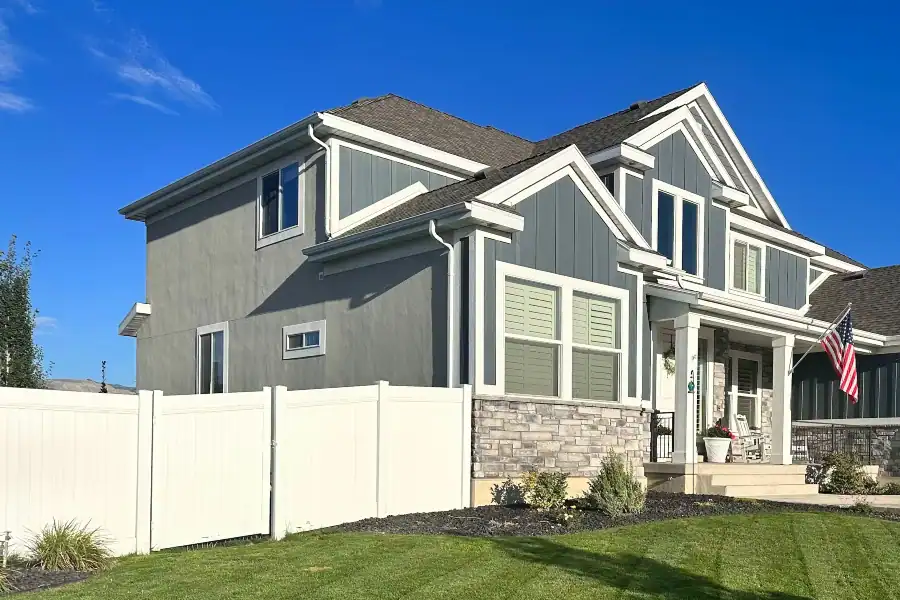
Choosing the right fence comes down to balancing your budget, style preferences, and long-term goals. If you want a perfect fence that delivers decades of performance with minimal maintenance, vinyl is hard to beat. If the natural beauty and warmth of wood are a priority, a high-quality wood fence with proper care can serve you well, too, though expect greater ongoing investment in upkeep and eventual replacement.
For most homeowners in Oklahoma City and surrounding areas, a professionally installed vinyl privacy fence or decorative vinyl panel fence offers the best combination of curb appeal, low maintenance, and long-term durability. When you factor in the cost savings from not re-staining, repainting, or dealing with rot repairs over 20 to 30 years, vinyl consistently delivers strong value per linear foot.
Our team at Tiller Fence & Deck specializes in vinyl fence services throughout the Oklahoma City metro. From free on-site estimates to stress-free permit handling and professional installation, we’re with you every step of the way, because a long-lasting fence starts with the right partner from day one.
Ready for a Fence That Lasts? Get a free on-site estimate from Oklahoma City’s trusted fence experts. Licensed, bonded, and insured since 2007, with a one-year workmanship guarantee. Contact us today and schedule your free inspection!


