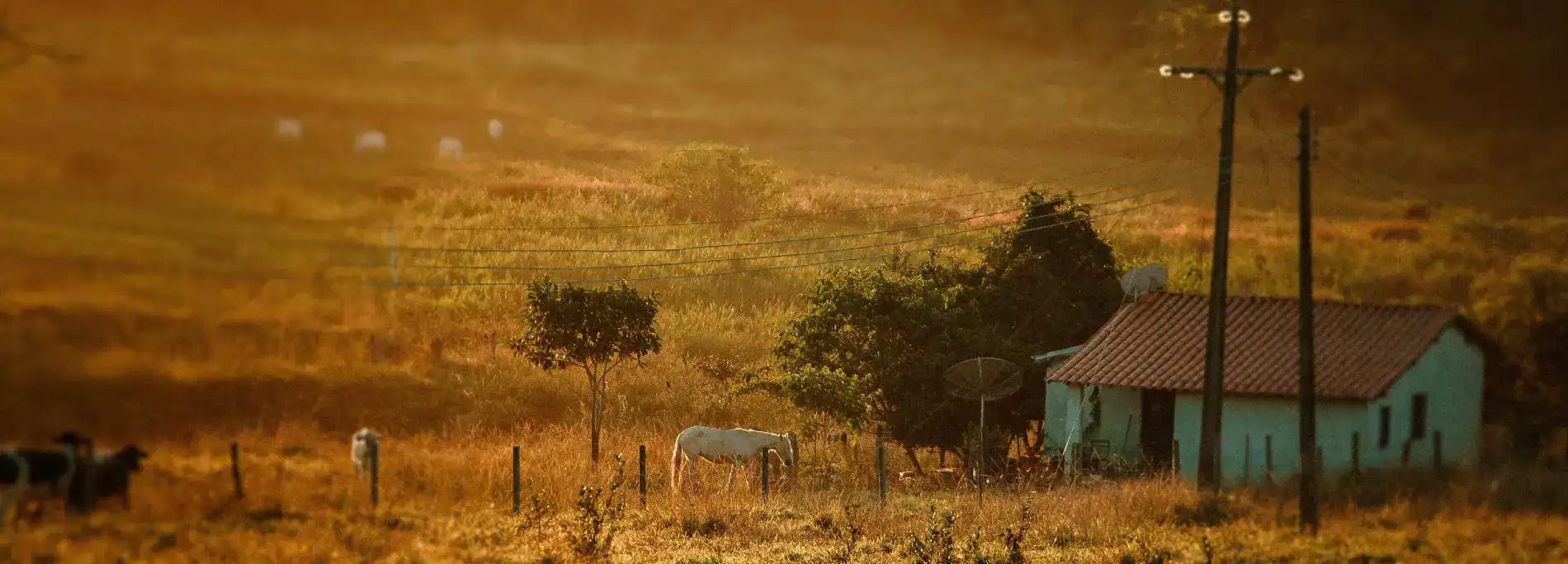
A farm fence rarely fails at a convenient time. One loose wire or a gate that will not latch can turn an ordinary morning into a search for wandering livestock. Fortunately, keeping fencing reliable usually starts with noticing small problems before animals do.
At Tiller Fence and Deck, we build and repair farm and ranch fences across Oklahoma City and surrounding areas. This guide covers farm fence maintenance, from perimeter inspections and caring for different fencing materials to seasonal maintenance and knowing when professional help makes sense.
Why Regular Fence Maintenance Matters
A well-maintained fence plays a vital role in livestock safety, property security, and everyday farm organization. It keeps animals in designated areas, protects a garden or planted space, and helps your fence serve its intended purpose.
Regular maintenance protects your investment. Loose hardware and leaning posts may look like minor issues, but repeated pressure weakens the surrounding structure. Delays can quickly add to repair costs. Prompt repairs after inspections help extend fence lifespan by stopping damage from spreading.
Maintaining your fence also means fewer interruptions. Fixing a latch before feeding time beats rounding up cattle afterward. Consistent upkeep helps maximize useful life and saves money in the long run.
Start With a Walk Along the Fence Line
Walk the complete fence line regularly, especially around corners, gates, and livestock gathering areas. After strong winds or heavy rain, check again rather than waiting for your scheduled inspection.
Look for signs of wear and tear, including sagging wire, missing fasteners, broken posts, rust, and gaps underneath. Check each suspect post at ground level for wood rot or soil erosion.
Do not assume the same fence is sound everywhere. Shaded sections may stay damp while exposed stretches take more wind. For example, a gate post can shift while nearby posts remain secure.
Photograph damage and note locations so recurring problems are easier to track.
Match Maintenance to Your Fencing Materials
Different systems need different upkeep. Modern options, including treated wood and galvanized wire, offer resistance to rot, rust, or wear depending on the material. None eliminates maintenance.
Caring for Wood Fences
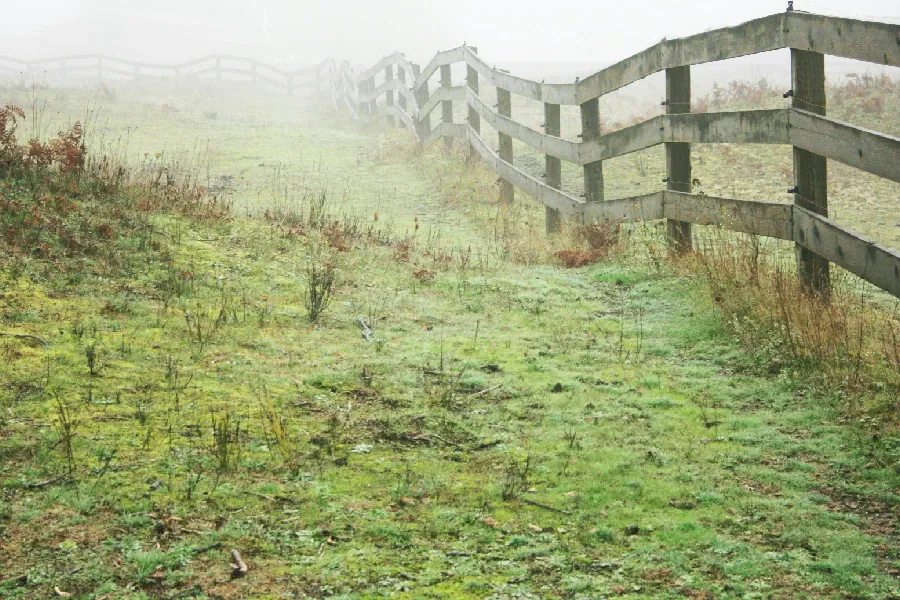
Inspect wood fences for split rails, soft posts, loose nails, and broken boards. Check annually for dirt, algae, and other buildup, and clean affected sections as needed. Aggressive pressure washing can damage wood. Damp, shaded sections may need annual cleaning, while drier stretches can go longer if the surface stays free of buildup.
Wooden posts are vulnerable to rot. Use preservative-treated posts rated for ground contact. Treat exposed cuts and drilled holes with a suitable wood preservative according to the product instructions. Apply protective coatings to sound wood as needed, but replace rotten components to restore structural integrity. Keep sprinklers pointed away from wooden fencing to reduce repeated wetting and decay risk.
When staining or sealing is no longer enough, our wood fence installation and repair services at Tiller Fence and Deck can address damaged posts, rails, and sections. Replacing damaged posts and rails helps keep your fence secure and visually appealing.
Maintaining Wire and Metal Fencing
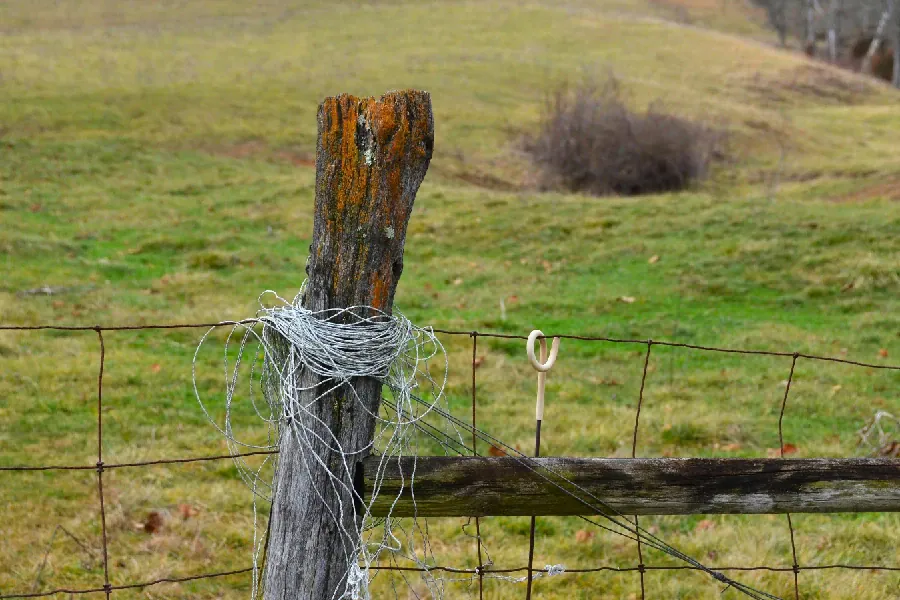
Check connections, clips, staples, and corner braces. Temperature changes expand and contract wire, making correct tension essential to limiting sagging and excessive strain. Repair broken strands with suitable connectors and adjust tension to manufacturer specifications. Tightening cannot fix a failing brace.
Inspect steel for corrosion where coatings are damaged. Treat surface rust appropriately and replace weakened parts. Wear gloves and eye protection when handling wire.
Checking an Electric Fence
Properly designed electric fencing can secure livestock while deterring predators such as dogs and coyotes. Performance depends on suitable wire spacing, reliable power, and grounding. Use a tester designed for electric fences to check voltage at several points. Low readings may indicate vegetation contact, damaged insulators, faulty connections, or poor grounding.
Follow the energizer’s troubleshooting instructions and disconnect its power source before handling wires or making repairs. Voltage requirements vary with livestock and equipment; seek professional guidance when readings remain inconsistent.
Keep Grass, Plants, and Trees Away From Trouble Spots
Keep grass trimmed back so it does not grow through fencing or hide damage. Mow or trim along the fence line as often as needed to keep growth from contacting wires or hiding damage, especially during the growing season. Plants touching electric wires can drain power.
Where mowing is difficult, an appropriately labeled herbicide can control unwanted vegetation near electric fences. Follow application directions and livestock grazing restrictions, and avoid drift onto desirable plants.
Remove fallen limbs and debris that traps moisture. Avoid hitting fencing with equipment or excavating supporting soil. Watch nearby trees: growing trunks and rubbing branches can damage connections and distort the fence.
Plan Seasonal Maintenance Around Oklahoma Weather
Choose fence maintenance based on your materials, livestock, and local conditions. In Oklahoma, summer heat, thunderstorms, and changing soil moisture all affect what needs attention.
Use spring and fall as planning windows for major repairs, choosing mild, dry days with suitable ground conditions. Oklahoma storms can occur in both seasons, so check the forecast and address containment failures immediately.
In spring, inspect washouts, shifting posts, and new growth. During summer, monitor electric fence performance in dry conditions. Before winter, repair weak sections and secure gates. Even fencing designed to withstand harsh weather conditions needs checks after storms.
Harsh weather conditions affect sections differently. Give exposed corners, low areas, and repeatedly repaired stretches extra attention.
Give Gates the Same Attention as the Fence
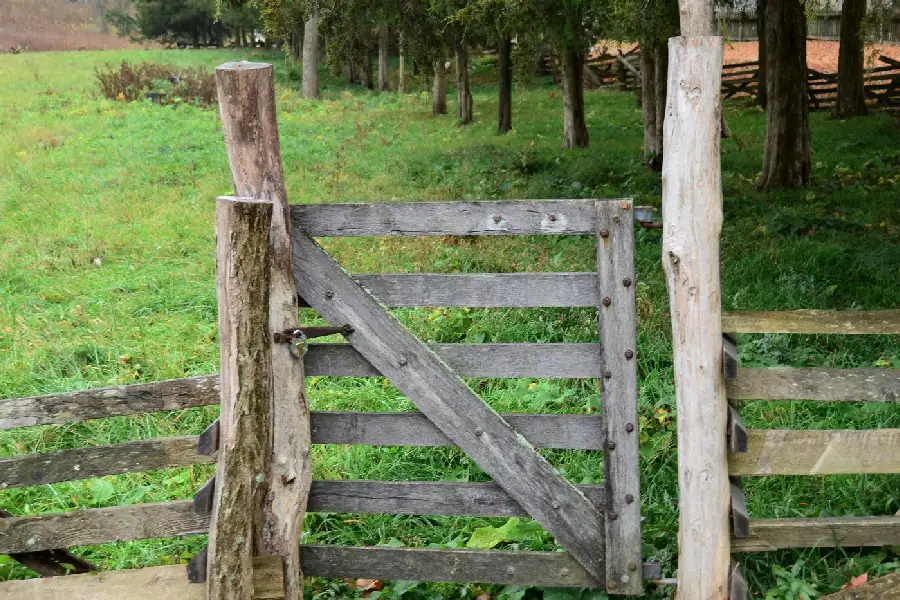
A secure perimeter has a weak point if a gate drags or its latch slips open. Check hinges, bolts, alignment, and supporting posts. Lubricate moving parts as recommended.
Worn hardware may be responsible, but a shifting post needs attention too. Adjusting the latch can mask that problem.
At Tiller Fence and Deck, our gate installation services help property owners create practical access points. When installing an entrance, consider equipment clearance, livestock movement, and adequate support.
Know When Repair or Replacement Is the Better Choice
An isolated broken rail or damaged latch may need a straightforward repair. Widespread rot, multiple unstable posts, or repeated containment failures can make replacement the better choice.
Professional installation matters because post placement, bracing, and materials influence durability and longevity. Agricultural fencing should suit the animals and terrain. A well-chosen new fence can improve curb appeal and contribute to property value while restoring reliable containment.
Our team brings fence installation and repair expertise to farm and ranch projects. We can assess whether repairs or a new installation better support your needs.
How Often Should You Inspect a Farm Fence?
Start with a regular boundary walk and check busy gates or heavily used livestock areas more frequently. Inspect promptly after storms, equipment contact, or an escape. The importance of these extra checks is simple: damage can happen between planned visits. Adjust your routine as conditions change, and follow manufacturer recommendations for tension checks, coatings, and electric fence testing throughout the grazing season.
Keep Your Farm Fence in Top Condition
The most useful maintenance tips are often simple: inspect regularly, address damage promptly, and keep a few compatible spare parts ready. Consistent upkeep is essential to reliable fencing.
If your fence needs attention, contact Tiller Fence and Deck at (405) 784-4424 for professional guidance and a free on-site estimate. We will help you plan practical repairs or farm fencing installation that protects your property and supports the way you use your land.