A farm fence does more than mark a property line. It may need to contain cattle, horses, goats, or sheep, protect poultry and gardens, keep predators out, and handle years of wind, rain, and shifting ground. That is why choosing the right farm fence material for durability matters more than choosing by price or appearance alone.
At Tiller Fence & Deck, we build farm and ranch fencing around Oklahoma City. We consider how the land is used, the animals being contained, terrain, access, and maintenance before recommending a material. A durable fence starts with careful planning, quality materials, and proper installation.
What Makes a Farm Fence Durable?
Durability is more than the strength of the wire or rail. Posts, braces, fasteners, coating, mesh size, soil conditions, and fence installation all affect performance. Even a highly durable material can fail early if it is poorly tensioned or supported.
What works around a cattle pasture may be completely different from what you need for goats, horses, or poultry. Larger livestock can lean or push against a structure. Goats test openings. Sheep and small animals may require tighter mesh. Horses need fencing that balances structural strength with visibility and safety. Wildlife management may require a different height or layout.
Oklahoma City properties regularly deal with strong winds and temperature swings, both of which can put extra stress on farm fencing. That makes material quality, secure posts, and proper installation especially important when building for local conditions and durability for withstanding harsh weather conditions.
In harsh climates, corrosion, rust, and rot can shorten fence life. Corrosion becomes an even bigger consideration in coastal environments, although here in Oklahoma, wind, storms, heat, and changing moisture are usually the bigger concerns. Galvanized wire fencing offers excellent resistance to rust and corrosion, while vinyl-coated wire provides another layer of protection from weather conditions.
High-Tensile Wire: A Strong Choice for Working Farms
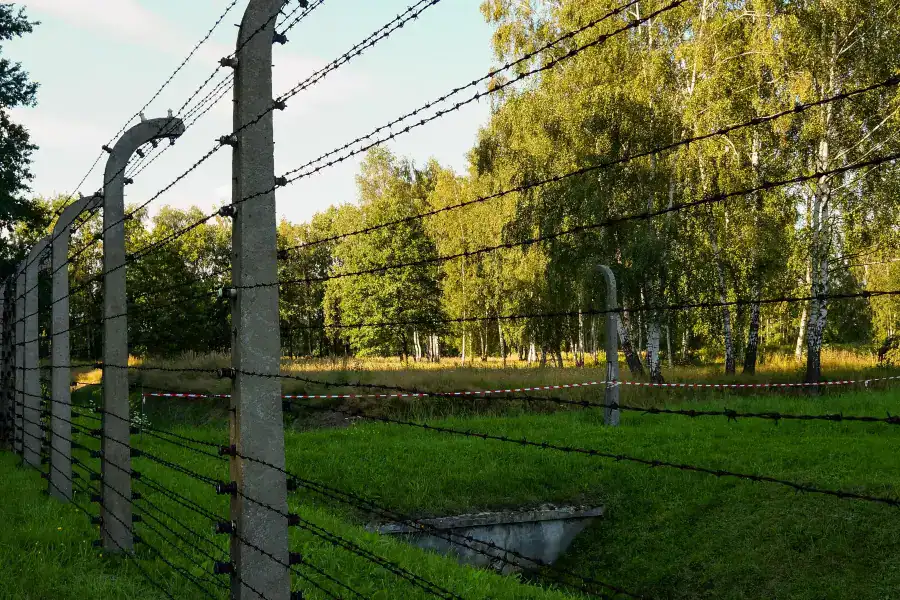
For many farmers, high-tensile wire is one of the first materials worth considering. High-tensile smooth wire is made from high-carbon steel, giving it the strength to span long runs while using less material than many traditional wire systems. High-tensile galvanized wire is especially useful because it combines longevity, strength, and corrosion resistance.
High-tensile fencing works well across pastures when properly installed and supported by strong end and corner assemblies. It can be a cost-effective option for large agricultural properties and remote areas because it needs only occasional inspection, tension checks, and repair.
High-tensile electric fencing can also be a cost-effective option for large livestock areas. When properly tensioned and supported, the system works well across long pasture runs and exposed areas where strong winds can put added stress on fencing.
This is not simply a matter of stretching wire between t posts, though. High-tensile fencing depends on proper installation, correct tension, suitable spacing, and sturdy corners.
Woven Wire for Smaller Livestock
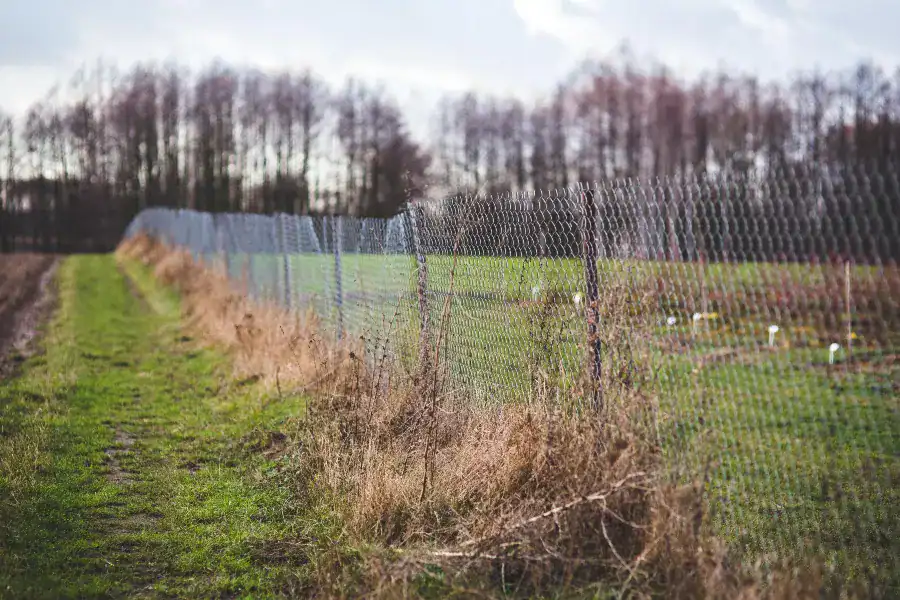
Woven wire is another practical farm fence material, especially for goats, sheep, poultry, and other small animals. High-tensile woven wire can be especially useful where animals put regular pressure on the fence. Its combination of strength and flexibility helps the fence maintain its structure while providing a secure barrier for livestock.
For livestock enclosures, woven wire offers a useful mix of containment and security. With quality materials, proper installation, and routine maintenance, woven wire can remain serviceable for decades.
It also works around gardens or where predators are a concern. Although woven wire may have a higher upfront cost than simple strand fencing, it can remain an affordable option over time.
Where Barbed Wire Still Makes Sense
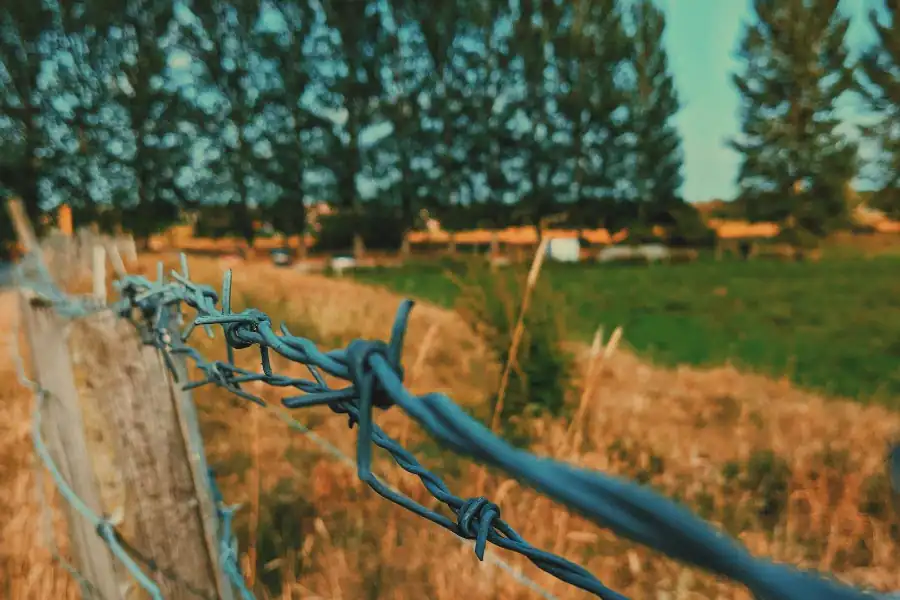
Barbed wire remains common on farms because it is straightforward, durable, and often a cost-effective option for cattle and other larger livestock. It works particularly well for long property boundaries and pasture lines where visibility and animal safety have been considered.
It is not right for every enclosure. Barbed wire is generally not a good choice for horses because of the injury risk, and smaller livestock may need a fence with closer spacing or mesh instead. At Tiller Fence & Deck, we consider the animals, pasture layout, gates, access, and ground conditions before deciding whether barbed wire or other types of ranch fencing fit the project.
Steel, Pipe, and Cable for Heavy-Duty Areas
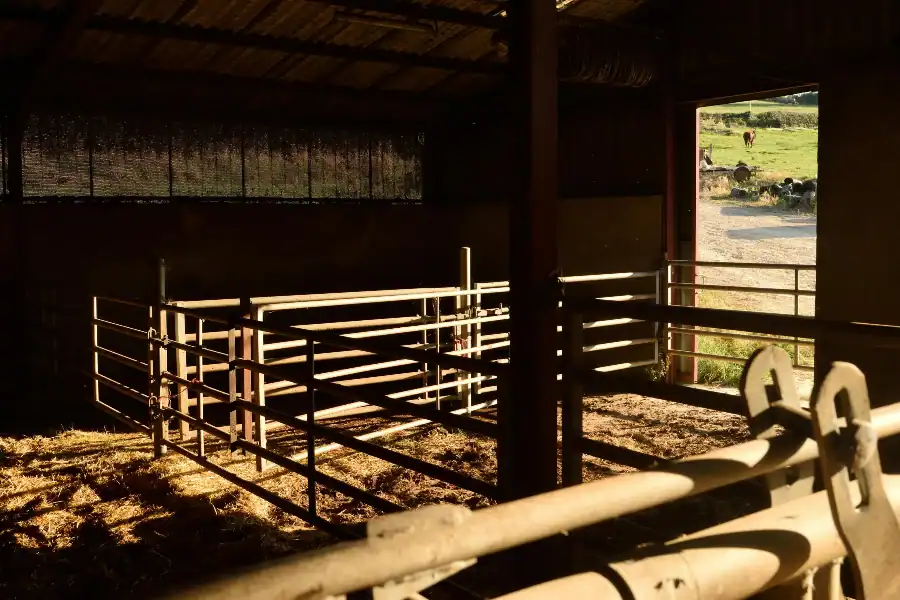
For areas that take more abuse, steel can offer excellent durability. Its structural strength helps it resist bending under livestock pressure, while protective coatings can improve resistance to corrosion and help the fence perform reliably in harsh climates. Its high tensile strength helps it resist bending under livestock pressure. Modern steel fencing also uses protective coatings that improve corrosion resistance and service life.
Pipe and cable fencing is another heavy-duty choice for working ranches. Unlike wood, the material is not vulnerable to rot, and its sturdy construction makes it well suited for exposed areas, livestock pressure, corrals, pens, and gates.
These systems can be expensive compared with lighter wire, but the added structural strength may justify the higher upfront cost.
What About Wood, Chain Link, Aluminum, and Vinyl?
Other materials can make sense near barns, homes, and access points, where aesthetic appeal, security, or low maintenance may matter more.
A wood fence brings natural character to a ranch entrance, horse area, or property near the home. Treated wood resists decay better than untreated wood. A well-built wood fence can often last 15 to 20 years with proper care, although the actual lifespan depends on the wood species, treatment, drainage, and exposure to the weather. Moisture, insects, ground contact, and weather conditions can still cause rot, so wooden posts and rails need regular maintenance.
Chain link fencing works well for equipment zones, dog runs, gardens, and security around farm buildings. A quality galvanized chain link fence can last for decades with relatively little maintenance, especially when damaged coatings and developing rust are addressed early. Tiller installs galvanized and coated chain link systems depending on the project.
Aluminum fencing has excellent resistance to rust and works well around entrances, homes, and decorative spaces. It is low maintenance but usually not the first choice for larger livestock that can place heavy force on a fence.
A vinyl fence can work where privacy or appearance matters. Vinyl is another long-lasting, low-maintenance choice because it will not rust or rot, although its performance still depends on product quality, climate, and installation.
Posts and Installation Matter as Much as Material
Long-lasting fencing depends on more than the visible fence material. Steel posts, T-posts, wooden posts, corner assemblies, gates, and braces form the structure that keeps everything in place. Soft ground, slopes, drainage, and erosion can influence how posts should be installed.
Proper spacing, tension, post depth, bracing, and hardware can separate a fence that needs repair from one that performs reliably for years. Easy installation may sound appealing, but a properly installed fence improves safety and reduces maintenance.
Choosing the Best Fence for Your Farm
There is no single material that wins for every farm. Cattle pastures may benefit from high tensile or barbed wire. Goats and sheep may be better served by woven wire. A wood fence may suit horses or a ranch entrance, while chain link can protect smaller enclosures or equipment. Steel, pipe, and cable make sense where impact, security, or exposure demand a tougher structure.
In the end, durability comes down to putting the right fence in the right place. Spending more doesn’t automatically mean a fence will last longer if the material isn’t suited to the livestock, terrain, or conditions on the property.
At Tiller Fence & Deck, our farm and ranch fencing work starts with that practical approach. We help property owners plan property boundaries, compare materials, choose gates, and install durable fencing built around how the land is actually used. If your existing farm fence needs repair or you are planning a new installation, schedule a service with us at (405) 784-4424, and we can help you choose a quality system built for Oklahoma conditions.