Can You Paint A Vinyl Fence? Complete Guide and Tips
November 21, 2025
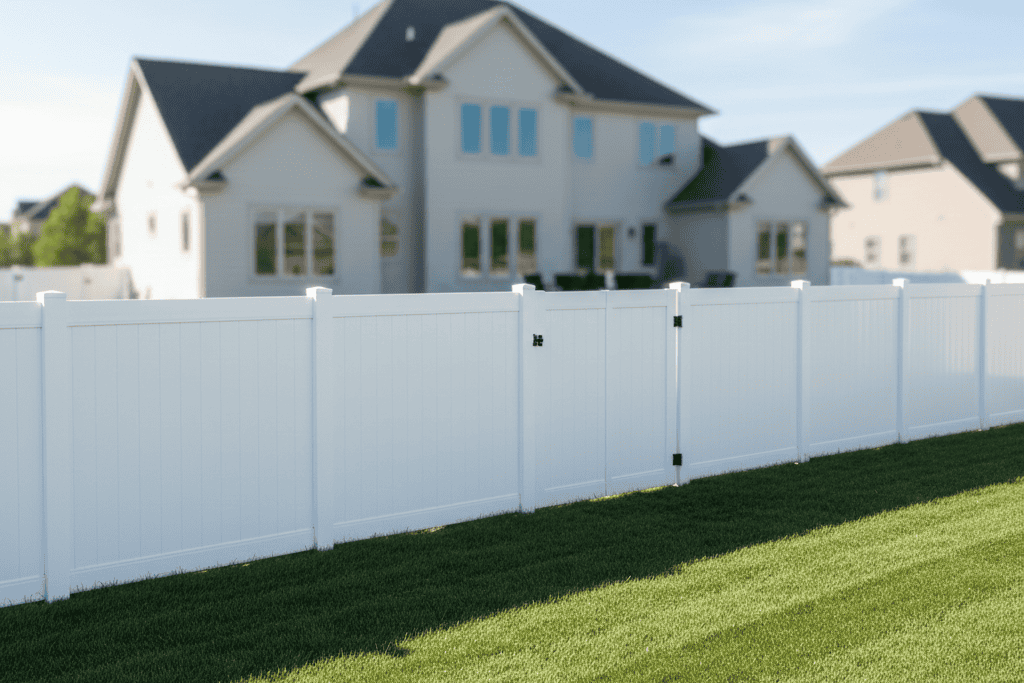
Vinyl fences are known for being low-maintenance, long-lasting, and clean-looking, but what if you want a different color or your…


A wood deck works hard all year. It takes on sun, rain, foot traffic, leaves, pollen, dirt, grime, spilled drinks, muddy shoes, and all the little messes that come with outdoor living. After a while, even a deck that once looked beautiful can start to look tired, gray, slippery, or stained.
Learning how to clean a wood deck properly makes a big difference. It helps protect the wood surface, keeps mold and mildew from spreading, and gets the deck ready for stain, paint, or deck sealer. It also makes your outdoor space feel comfortable again instead of turning into one more chore you keep putting off.
The key is cleaning your deck without being too rough on it. A wooden deck is strong, but it can still be damaged by too much pressure, harsh cleaning solutions, or careless scrubbing against the wood grain. Whether your deck is cedar, pine, pressure-treated lumber, or a mix of wood and composite materials, the right process can help bring the surface back to life.
Before you start spraying water everywhere, gather your equipment. Having the right tools makes the process smoother and helps you avoid damaging the boards.
For most deck cleaning projects, you will need the basics: a broom, garden hose, bucket, warm water, gloves, safety glasses, and a good wood deck cleaner. A deck brush, soft bristle brush, or pump sprayer can also make the job easier, especially if the surface has heavier buildup.
A pressure washer or power washer can be useful, but it is not always necessary. In many cases, a softer approach with a garden hose, deck cleaner, and some elbow grease is safer for the wood fibers, especially on an older cedar deck or weathered deck.
The best cleaner depends on what you are dealing with. Light dirt and grime may only need mild soap, warm water, and a deck brush. If the deck surface has mold and mildew, algae, or dark staining, you may need a stronger wood deck cleaner made for outdoor wood.
Oxygen bleach is a common option for removing mold, mildew, and organic stains without being as harsh as regular chlorine bleach. When used properly, it can help clean your deck while being gentler on the wood’s structure. Always follow the product label, test a small area first, and rinse well so residue does not stay on the boards. Baking soda may also help with small spots, but it is not usually strong enough for a full deck cleaning by itself.
If the wood looks dull or uneven after cleaning, a wood brightener or deck brightener can help restore the color and prepare the surface for semi-transparent stains or water-based stain products. If the deck has peeling paint, heavy solid stains, old oil-based coatings, or layers of failed finish, you may need a deck stripper before applying anything new.
Start by removing everything from the deck. Move chairs, tables, grills, planters, rugs, toys, and décor. If something sits directly on the boards, it can trap moisture underneath and leave marks on the wood surface.
This is also a good time to look at the entire deck with fresh eyes. If you are used to seeing it every day, you might not notice common issues like loose boards, soft spots, splinters, or mold growing near shaded areas.
Use a broom to remove loose debris from the deck surface. Sweep away leaves, dirt, pine needles, twigs, and dust. Pay close attention to the spaces between the boards because trapped debris can hold moisture and lead to mildew or rot over time.
If dirt is packed between the boards, use a putty knife or similar tool to loosen it carefully. Do not dig hard into the wood. The goal is to clear the gaps so air and water can move properly.

Before you wash, check the deck for loose screws, raised nails, cracked boards, splintered areas, and signs of rot. Cleaning a damaged deck too aggressively can make the problem worse.
Look at railings, steps, corners, and areas near the house. If a board feels soft, bouncy, or spongy, that is not just a cleaning issue. It may need repair before you move forward. A brand-new deck usually needs only light prep, while an older wood deck may call for a more careful approach.
Deck cleaner can splash, so protect nearby plants, siding, outdoor outlets, and furniture. Wet surrounding plants with a garden hose before you start. If you are using stronger cleaning solutions, cover sensitive landscaping and rinse everything well afterward.
This step is simple, but it matters. A clean deck is great, but the job should not leave damaged plants, stained siding, or splashed-up paint behind.
Read the label on your deck cleaner before using it. Some products need to be mixed with water, while others are ready to use. A pump sprayer is helpful because it spreads the solution evenly across the deck surface.
Apply the cleaner to a manageable section instead of spraying the entire deck at once. Let it sit for the recommended time, but do not let it dry completely on the boards. If the cleaner dries too fast, lightly mist the area with a hose or add more solution.
Use a deck brush or soft bristle brush to scrub the boards. Work with the wood grain, not against it. This helps lift dirt and grime without roughing up the wood fibers more than necessary.
This is where a little elbow grease comes in. Scrubbing may take more effort than pressure washing, but it gives you more control. It is especially useful on a cedar deck, pine deck, or older wood where high pressure can leave marks.
Focus on stained areas, shady spots, and places where mold and mildew tend to collect. If you need to remove mold, give the cleaner time to work before scrubbing hard. Let the solution do part of the job.
After scrubbing, rinse the deck with a garden hose. Make sure all cleaner, dirt, grime, and residue are washed away. Leftover cleaner can interfere with stain, paint, or deck sealer later.
Rinse along the direction of the boards when possible. Keep rinsing until the water runs clear and there are no suds or slick spots left on the surface.
Once the deck is clean, let it dry completely before putting furniture back or applying stain. Drying time depends on the weather, shade, humidity, and airflow. In many cases, you should wait at least 24 to 48 hours before sealing or staining.
Do not rush this step. If moisture is trapped in the wood, stain or deck sealer may not absorb properly. That can lead to blotchy color, peeling finish, or poor protection.
Yes, you can use a pressure washer on a wood deck, but you need to be careful. Pressure washing can remove dirt fast, but too much power can damage wood fibers, raise the grain, and leave visible lines on the boards.
If you decide to power wash, use a wide fan tip and a low-pressure setting. Do not hold the spray too close to the wood surface. Keep the wand moving and test in a hidden area first. Pressure is measured by pounds per square inch, and higher does not always mean better. For wood, stay on the gentle side and follow the cleaner or decking manufacturer’s recommendations when available.
Avoid using a power washer on soft, rotting, cracked, or heavily weathered boards. If you are not sure whether the deck can handle pressure, stick with a soft wash method or call a professional.
Dirt and grime usually come off with a deck cleaner, warm water, and scrubbing. Mud may need extra rinsing, especially if it has dried into the grain.
For mold and mildew, use a cleaner made to remove mold from exterior wood. Oxygen bleach can work well for organic growth when mixed and applied properly. Avoid harsh bleach unless the product is clearly labeled for deck use, and always rinse nearby plants and surrounding surfaces well.
Grease stains from food or grills should be cleaned as soon as possible. Use warm water, mild soap, and a soft bristle brush. For deeper stains, you may need a specialty cleaner.
Rust stains, tannin marks, and gray weathering may call for a wood brightener or deck brightener. These products can help even out the appearance of the wood and make it look cleaner before staining.
Always clean your deck before staining or sealing. Stain and deck sealer need a clean surface to bond properly. If you apply them over dirt, mildew, old oil, peeling paint, or loose grime, the finish may not last.
If the deck has old solid stains or a failing coating, cleaning alone may not be enough. You may need a deck stripper to remove the old finish before adding a new stain. Semi-transparent stains usually need a clean, open wood surface so the color can soak into the grain.
Once the deck is clean, rinse well and let it dry completely. Good prep is what separates a quick cover-up from a finish that actually protects the wood.
Composite decks are different from wood decks, but they still need regular cleaning. Composite materials are often made from a blend of plastic and wood fibers, which means they are lower maintenance but not maintenance-free.
For composite decks, use a cleaner approved by the manufacturer. Avoid harsh chemicals and aggressive pressure washing. A garden hose, soft bristle brush, and mild cleaning solution are often enough to remove dirt, grime, and mildew from the surface.
One major difference is that most composite decks do not need stain or deck sealer like natural wood. Still, keeping them clean helps preserve their appearance and prevent buildup.
Good deck care is not just about making the boards look cleaner. It is also about protecting the wood, avoiding surface damage, and helping the deck last longer.
One common mistake is using too much pressure. A power wash may seem faster, but it can scar the boards if handled wrong. Another mistake is scrubbing with a wire brush or rough tool that can tear into the wood fibers.
Do not let deck cleaner dry on the surface. Do not skip rinsing. Do not stain before the wood is fully dry. Also, do not ignore soft spots, loose boards, or signs of structural damage. Cleaning can improve appearance, but it will not fix a deck that is no longer safe.
Some deck cleaning jobs are simple weekend maintenance. Others are better handled by a professional, especially when the deck needs more than a quick wash. If your deck has heavy mold and mildew, deep stains, peeling solid stains, soft boards, loose railings, or years of buildup, professional help can save time and reduce the risk of damage.
You may also want help if you are not sure whether to use a wood deck cleaner, deck stripper, wood brightener, pressure washer, or soft wash process. The wrong equipment or cleaning solutions can cause more problems than they solve.
Professional cleaning is also a smart choice before staining, sealing, or deciding whether the deck needs repair or replacement.

At Tiller Fence & Deck, we understand that your deck is more than a few boards in the backyard. It is where family gathers, where guests hang out, and where more people are spending time as they make their outdoor space feel like home.
If your wood deck needs cleaning guidance, repairs, sealing, or a full replacement, our team can take a look and help you choose the right next step. Tiller Fence & Deck is known throughout the Oklahoma City area for quality craftsmanship, reliable service, and outdoor spaces built to last.
A clean deck can make a big difference, but a safe, well-built deck matters even more. If your wooden deck has common issues like loose boards, moisture damage, rotting wood, or worn-out surfaces, we can take a closer look and help you decide whether cleaning, repair, or replacement makes the most sense.
The best way to clean a wood deck is to clear the surface, sweep loose debris, apply a wood deck cleaner, scrub with the grain using a deck brush, rinse with a garden hose, and let the deck dry completely.
Yes. You can clean your deck with a garden hose, pump sprayer, deck cleaner, and soft bristle brush. This method is often safer for older wood, cedar, pine, and weathered boards.
Baking soda can help with small spots and light grime, but it may not be enough for a full deck with mold and mildew. For deeper cleaning, use a cleaner made for wood decks.
Oxygen bleach is often a better option than harsh chlorine bleach. Always follow product directions and rinse thoroughly to avoid damaging the wood surface or nearby plants.
In most cases, a wood deck should dry for at least 24 to 48 hours after cleaning. Weather, shade, humidity, and airflow can change the drying time, so make sure the boards are dry before applying stain or deck sealer.
Yes. Too much pressure, the wrong fan tip, or holding the spray too close can raise wood fibers, leave marks, or damage the deck surface. If the wood is older, soft, cracked, or weathered, a soft wash method may be safer.

If your deck is dirty, worn, stained, or starting to show signs of age, Tiller Fence & Deck can help. Whether you need expert tips, professional cleaning guidance, deck repair, or a brand new deck built for your home, our team is ready to take a look.
Contact Tiller Fence & Deck today at (405) 784-4424 to schedule your free on-site estimate in the Oklahoma City area, and let’s make your outdoor space clean, safe, and ready to enjoy again.


