How To Fill the Gap Under Vinyl Fence
April 24, 2026
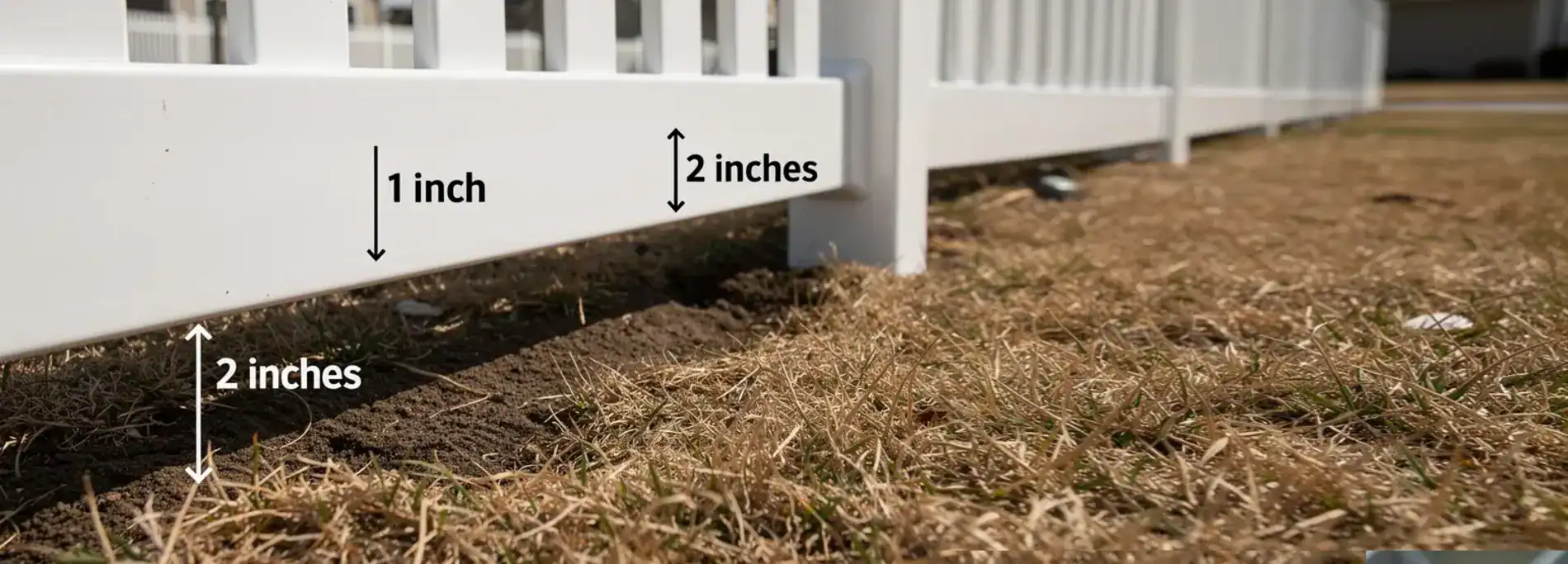
If you have recently looked out into your yard and noticed an uneven gap running along the bottom of your…


Vinyl fences are known for being low-maintenance, long-lasting, and clean-looking, but what if you want a different color or your panels look faded after years in the sun? Many homeowners ask the same question: Can you paint a vinyl fence, or is it a bad idea?
The short answer is yes, you can paint a vinyl fence, but the surface has unique challenges because vinyl is smooth, nonporous, and not designed to hold paint without proper preparation. With the right products, a strong bonding primer, and careful surface preparation, you can repaint vinyl fencing successfully and match your updated outdoor space.
This guide explains how to paint vinyl fences correctly, when to avoid painting, and how to achieve lasting results without flaking, peeling, or fading in the sun.

Vinyl fencing is made from polyvinyl chloride (PVC). This smooth plastic surface resists moisture, insects, and rot, which is why many homeowners choose vinyl panels over wood. However, that same smooth surface makes it harder for paint to stick.
Unlike wood fence styles that absorb paint into their grain, vinyl surfaces resist adhesion. Standard exterior paint does not bond well, which can cause peeling or flaking within a few months.
To paint a vinyl fence successfully, you need products designed to bond with PVC, along with techniques that help paint adhere to the surface.
Painting vinyl fencing can be helpful if you want a new color or want an upgrade without replacing your fence. Still, painting has drawbacks you should consider before starting the project.
Pros of Painting Vinyl Fences:
Cons of Painting Vinyl Fences:
Painting a vinyl fence is possible and can look great, but it may not be the best idea if you want a long-term, low-maintenance solution.
Preparation determines how long your paint job lasts. Skipping earlier steps will lead to peeling, an uneven finish, or visible dirt under the paint.
Follow these steps for proper surface preparation:

Vinyl easily holds dirt and buildup, especially in outdoor spaces near soil or trees. Clean the fence thoroughly with soapy water and a soft sponge, or use a pressure washer on a lower setting to avoid surface damage.
Remove:
A clean, dry surface is essential before moving forward.
Vinyl requires a primer designed for plastic. Look for:
Apply primer evenly and let it dry completely before painting. The primer creates a surface the paint can stick to, reducing the risk of peeling later.
Use fine-grit sandpaper to lightly sand the surface. This step creates microscratches that help the paint adhere more effectively.
Do not sand aggressively; just enough to dull the vinyl panels’ shine.
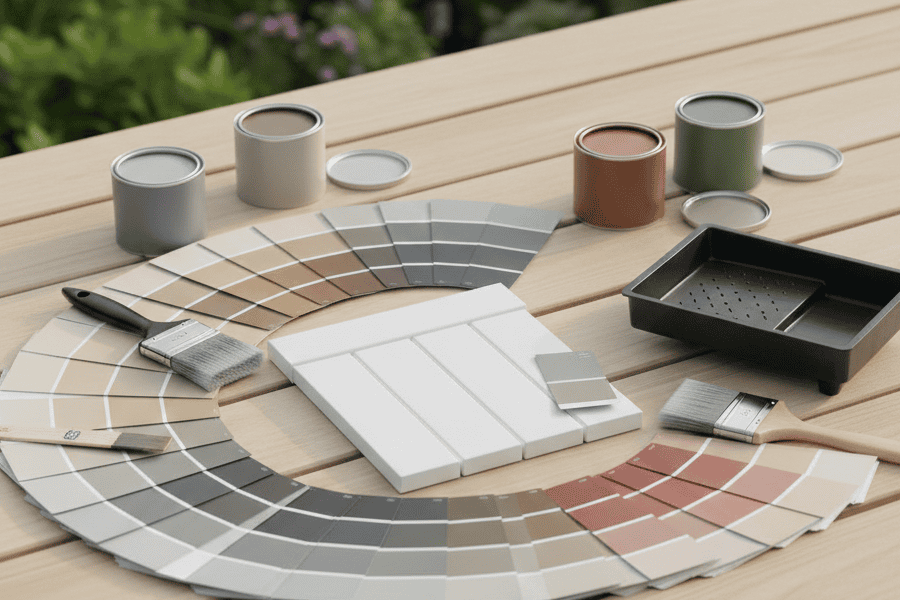
The best paint for vinyl fence projects is designed for exterior plastic surfaces. Good options include:
Avoid oil-based paint because it may crack or peel in sunlight. Choose lighter shades to reduce heat absorption, as darker colors absorb more sunlight and can cause fading or warping.
Color ideas:
Painting vinyl fencing takes more than just rolling on a fresh coat. The correct order, drying times, and technique help the paint stick, prevent peeling, and create an even finish that holds up against sun, rain, and daily wear. Take your time with each stage to get lasting results.

Start by washing the entire fence to remove dirt, mildew, pollen, and chalky buildup. Use soapy water and a soft sponge or a pressure washer on a gentle setting. Avoid harsh chemicals because they can damage vinyl surfaces.
Let the fence dry completely before moving to the next step. Any trapped moisture will prevent the primer from bonding properly.
Use fine-grit sandpaper to lightly scuff the vinyl panels. You only need to dull the glossy finish, not remove material. Scuff sanding creates minor grooves that help the primer and paint adhere.
Wipe away sanding dust with a clean cloth.

Vinyl is a smooth plastic surface, so a regular primer will not stick well. Use a bonding primer designed for PVC, vinyl siding, or other plastic materials. You can apply primer using a brush, roller, or paint sprayer, depending on the size of the project.
Apply primer in thin, even layers, covering every part of the vinyl fencing. Work methodically so the bond is consistent across every panel.
Drying time affects how well the paint bonds. Follow the manufacturer’s instructions and allow the primer to cure. Painting too early can trap moisture, leading to peeling later, especially during hot Oklahoma weather.
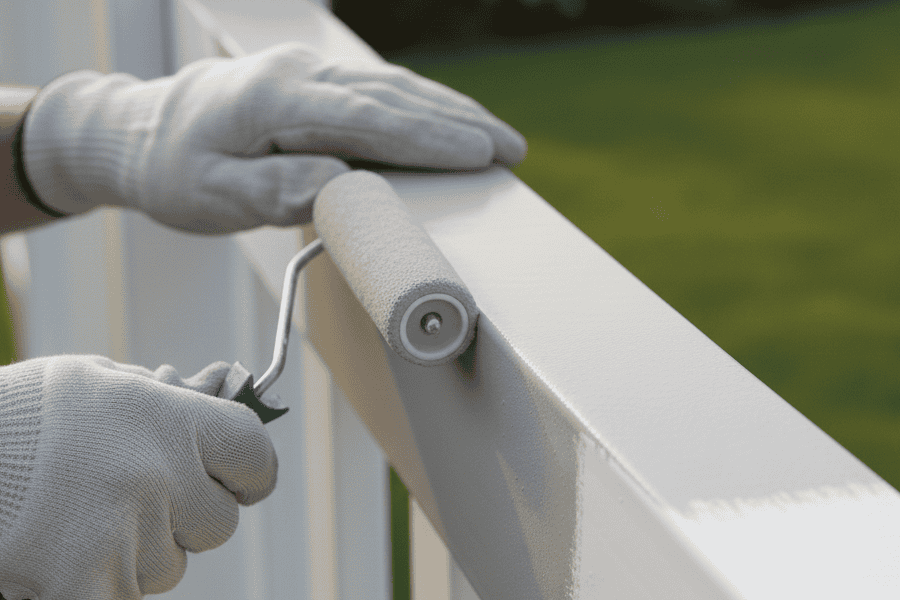
Apply at least two coats of paint for a strong finish. Use light, even strokes and allow full drying time between coats. Rushing this stage can cause streaking or uneven coverage.
If you are painting a white vinyl fence a darker color, you may need an additional coat to cover the original finish fully.
A paint sprayer helps create a smooth surface, especially for large vinyl fences. If you prefer a roller, choose a foam roller rather than a thick-nap roller, which can leave texture marks.
Brushes work best for edges, posts, and detailed areas where rollers cannot reach. Keep strokes consistent to avoid visible overlap lines once the paint dries.
Some products benefit from a top coat to improve durability and reduce fading. A clear protective finish adds resistance against UV rays and outdoor elements, especially if you choose a darker color that absorbs heat.
Read the paint label to determine whether a top coat is recommended based on the paint type and climate.
Once the paint is applied, maintenance helps prevent fading or peeling.
Tips for upkeep:
Painted vinyl fences require more maintenance than uncoated vinyl, so plan before committing to painting yours.
IIf painting feels like more work than you want to deal with, there are plenty of other ways to refresh your fence without picking up a roller.
If the fence is already showing signs of age, replacing it may be smarter than repainting. A fresh vinyl fence installation often offers better durability, less upkeep, and a longer-lasting finish for your yard.
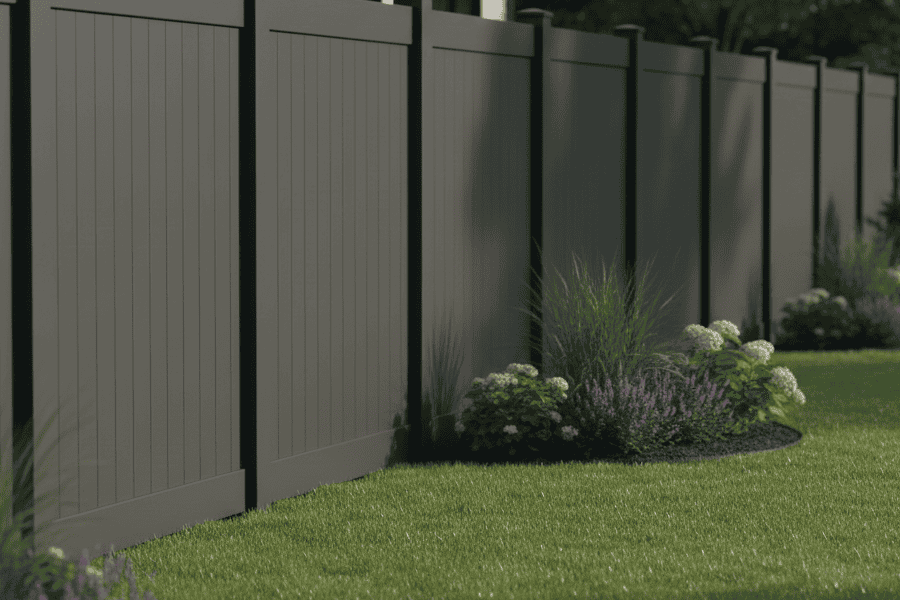
So, can you paint vinyl fencing? Yes, with the proper preparation and products. Painting your vinyl fence gives it a clean, updated look and lets you match a new color scheme without replacing the entire wall. However, it also means committing to regular maintenance and reapplication over time.
If you’re deciding between painting your vinyl fence or replacing it altogether, Tiller Fence and Deck can help you choose the option that best balances durability, cost, and curb appeal. Our team installs new fencing and can assess whether repainting or upgrading will give you better long-term results.
Contact Tiller Fence and Deck for a free estimate and expert help with vinyl fencing upgrades in Oklahoma.


