Aluminum fencing is one of the most popular choices for both residential and commercial properties — and for good reason.…
Schedule a Free Inspection
January 16, 2026
So your chain link fence took a hit. Maybe from a falling branch, a runaway lawnmower, or Oklahoma winds doing what they do best. Before you start pricing out replacements, let’s talk about how to repair a chain link fence without overcomplicating it. At Tiller, we’ve helped plenty of homeowners handle their chain link problems, and the truth is, most fixes are totally manageable. And if they’re not? We’ll let you know when it’s time to call in professional help.
Common Types of Chain Link Fence Damage
Before grabbing tools, it helps to know what kind of damage you’re dealing with. Most chain link fence issues fall into a few clear categories:
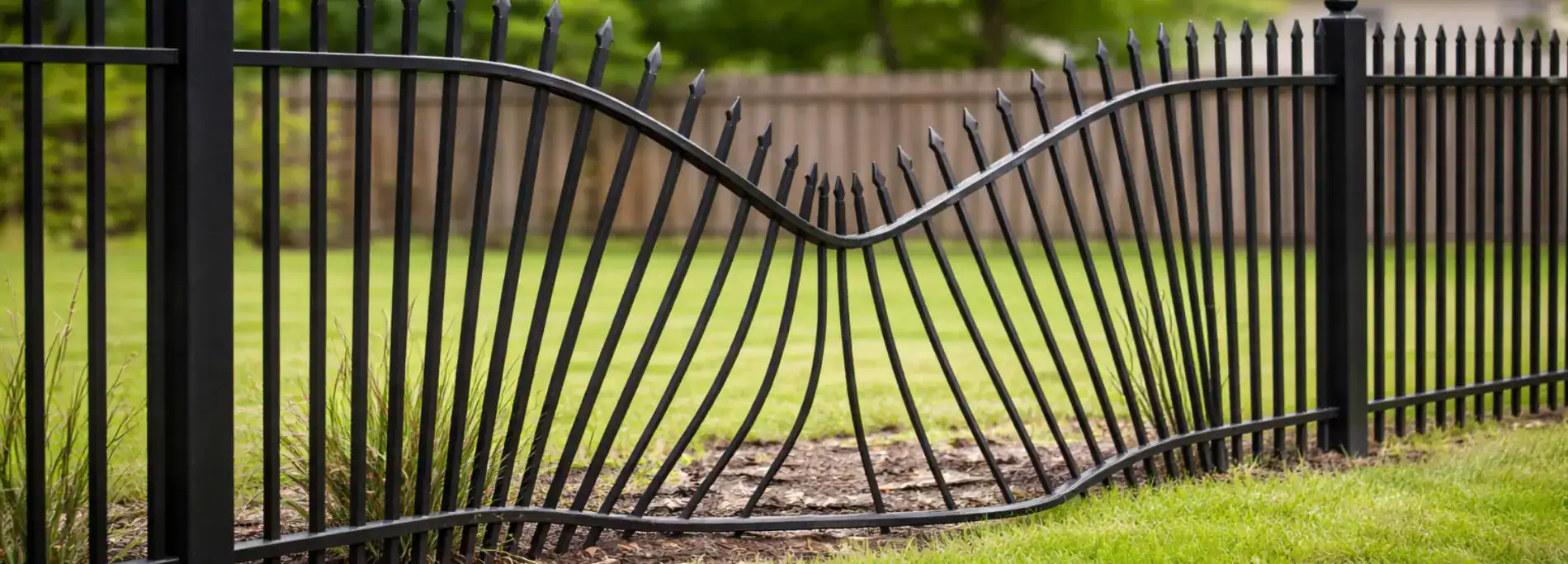
Bent or leaning rails – This usually happens after something heavy presses against the fence or a tree limb comes down on it.
Sagging chain link mesh – Over time, the chain link fabric can lose tension and droop.
Damaged fence posts – Posts can shift, rust, or break, especially if they weren’t set below the frost line.
Rust or corrosion – Even galvanized steel will rust if it’s scratched or exposed to moisture long enough.
Broken or missing hardware – Tension bands, wire ties, and rail end brackets can loosen or go missing.
Gate problems – Hinges, latches, or the gate frame itself may bend or break after years of use.
Tools and Materials Needed for Chain Link Fence Repair
You don’t need a full workshop, but having the right tools on hand makes a huge difference. Most of these can be found at your local hardware store.
Tools:
Pliers (fence pliers or linesman’s pliers work well)
Wire cutters
Adjustable wrench or socket set
Fence stretcher or come-along
Reciprocating saw or hacksaw
Tape measure
Level
Post hole digger (for deeper repairs)
Materials:
Replacement rail or new top rail
Chain link mesh or new fabric
Fence ties (wire ties or hog rings)
Tension wire
Tension bands and tension bars
Rail end brackets
Replacement posts, post caps, and pipe sleeves
Concrete mix (if setting a new post)
Rust-inhibiting spray paint
Safety gear like gloves and safety glasses is a must, especially when cutting metal.
A Complete Chain Link Fence Repair Guide
We’re breaking this down one step at a time, so you can fix the damaged part without having to tear down the whole fence. Here’s your go-to chain link fence repair guide, covering the most common problems.
Safety Precautions Before Starting Repairs
Fence work isn’t overly dangerous, but you’re still dealing with sharp wire, heavy materials, and tools that can do some damage if you’re not paying attention.
To keep safe, keep these in mind:
Wear work gloves, because chain link fabric has a way of biting back.
Safety glasses are smart anytime you’re cutting metal.
Clear the area around the damaged section so you’re not tripping over or fighting branches.
If you’re replacing a post or rail, ask someone to help hold things steady while you line everything up.
How to Repair a Bent Rail or Leaning Chain Link Fence
Bent rail? Don’t worry. It’s one of the most common repairs. You’ll want to look at the top rail first. If it’s sagging or kinked, it probably took a hit.
Follow these steps:
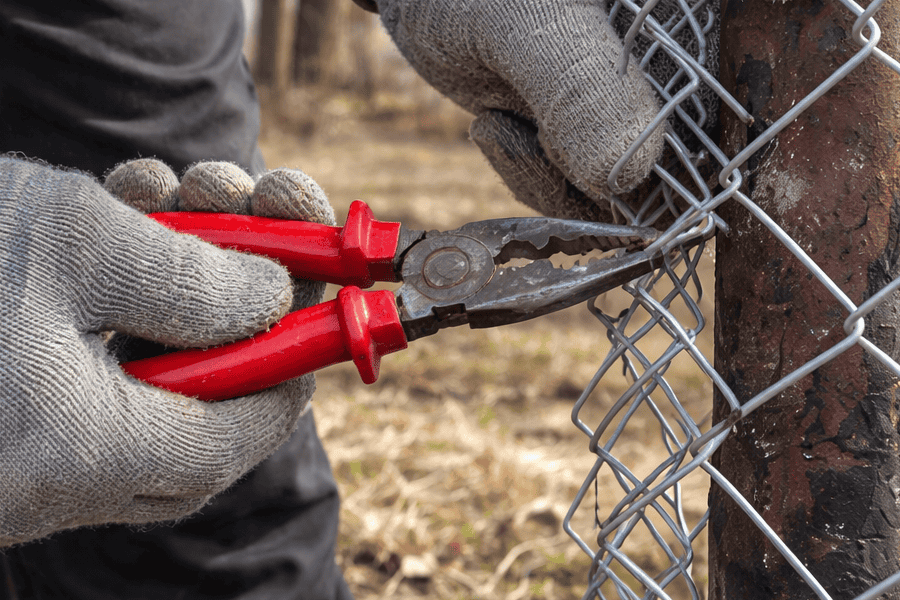
Start by removing the fence fabric from the bent section. Use pliers to remove all the ties holding the chain link to the rail.
Cut out the damaged area using a reciprocating saw or pipe cutter. You want to remove the bent section cleanly from two points where the pipe is still straight.
Slide in the replacement rail using a rail sleeve or connector. Be sure the replacement piece is the appropriate height and type.
Secure the ends with an adjustable wrench and rail end brackets.
Reattach the mesh by tying it back to the new rail using wire ties every 12–24 inches.
If it’s just a slight bend, you can sometimes straighten the pipe with some careful leverage. But if the bend starts near the rail end or spans more than a few inches, replacing it is usually easier.
How to Fix a Broken or Loose Chain Link Section
A tear in the fence fabric can come from tree limbs, pets, or even a poorly thrown baseball. You’ll need to cut out the damaged section and weave in a new piece.
Snip the damaged section using wire cutters. Remove all the ties and gently unweave the damaged mesh from the diamond pattern.
Cut a new piece of chain link mesh that matches the height and width of the hole.
Weave the new section into the existing fence. Start at one end and carefully follow the diamond pattern to connect the chain mesh.
Use a tension bar to pull the new section tight. This keeps it from sagging.
Secure it with wire ties or hog rings every foot or so.
How to Repair a Damaged or Loose Top Rail
The top rail holds everything together, so if it’s loose or cracked, the fence can start to sag. Here’s how to fix it:
Loosen or remove the fence fabric connected to the bent top rail.
Remove the old section by unscrewing or cutting at both ends.
Insert the new rail into the existing rail using a sleeve or connector.
Secure the rail ends to the posts with rail end brackets.
Reattach the chain link fabric using all the ties you removed.
How to Repair or Replace a Damaged Fence Post
A leaning or broken post is a bigger job, but still manageable.
Remove the chain link fabric and top rail from the post.
Dig out the old post and concrete using a post hole digger. It may take some work, especially if it was sunk below the frost line.
Set a new post in the same hole, making sure it’s plumb.
Pour new concrete mix around the base, and let it cure for at least 24–48 hours.
Reconnect the top rail and reattach the mesh once the post is solid.
How to Tighten a Sagging Chain Link Mesh
If your fence is looking droopy but everything else is intact, you probably just need to tighten the chain link fabric.
Insert a tension bar a few feet from the sagging area.
Use a fence stretcher or come-along to pull the mesh tight.
Once the mesh is taut, re-secure it to the posts and rails with wire ties.
Remove the tension bar, double-check your work, and you’re done.
How to Repair a Chain Link Fence Gate
Gate giving you trouble? This one’s important for security and everyday use.
Check for sagging. You may just need to tighten the hinge bolts with an adjustable wrench.
If the frame is bent, remove the gate and replace it with a new section or have one custom-made to match.
Realign the latch so it clicks into place cleanly. You can shim the latch plate or adjust the post if needed.
Add a post cap if the top of the gate post is open, as it helps prevent rust and adds stability.
How to Fix Rust and Prevent Future Corrosion
Rust is one of the first signs that your chain link is aging. It usually starts near the ground or around damaged coatings. Addressing this issue is more than cosmetic—it helps prevent future damage and keeps your fence strong.
Scrub the rust spots with a wire brush until you reach clean metal.
Wipe clean, then apply a rust-inhibiting primer.
Spray with galvanized paint to match the original finish.
Check tension wire and connections, which tend to rust first.
How to Replace Chain Link Fence Ties and Hardware
Over time, ties can snap, and hardware can rust or loosen. Make it a habit to inspect these every spring and fall. It’s a five-minute job that prevents bigger issues later.
Remove broken wire ties with pliers.
Replace them with new ones, making sure to use the hooked end to wrap around the mesh and rail.
Check all tension bands and bolts, and tighten with a socket wrench.
Replace any cracked or bent rail ends, brackets, or caps.
How to Prevent Future Damage
Good repairs are one thing, but a little prevention saves time and money in the long run. Here’s what we recommend to keep your chain link fence in solid shape.
Check the Fence Twice a Year
Walk the fence line and look for:
Loose wires
Rust spots
Bent top rail or leaning posts
Sagging chain mesh
Missing post caps
Catching a small problem early can save you from having to replace an entire section later.
Trim Grass, Vines, and Trees
Vegetation traps moisture against the metal, speeding up corrosion. Cut grass and weeds away from the base and trim back any branches leaning over the fence.
Rinse Off Dirt and Road Salt
Hose off the fence once or twice a year, especially after storms or in areas with road salt exposure. Clean fences last longer.
Paint or Touch Up as Needed
If you spot scratched or bare metal, give it a quick coat of touch-up spray. Follow the manufacturer’s instructions for best results.
When to Replace Instead of Repair a Chain Link Fence
Most damage can be fixed, but sometimes it’s smarter to start fresh. Consider a replacement if:
Large sections of chain link mesh are sagging or torn
Several posts are bent or rusted through
The fence is over 25 years old, and repairs are constant
The structure no longer meets your needs or looks outdated
Ultimately, if the cost of parts and time keeps adding up, you’re better off replacing the fence and starting clean.
Call Us When You’re Tired of Fighting with Fence Ties
Got the tapered end right, but now the other end won’t line up? Can’t seem to stretch the fabric tight enough to attach it cleanly? Tiller is here to help! We offer trusted chain link fence service in Collin County, and we’re happy to help bring your yard back to normal.