Choosing an automatic gate opener can feel more complicated than it should. One model promises smart controls, another advertises extra power, and a third includes a solar panel. Before long, a simple question becomes much harder: What gate opener should I get?
The right opener should be selected based on the gate, the property, and how people will use the entrance. A lightweight swing gate at a home does not need the same gate operator as a long sliding gate at a busy commercial property. You need to consider the gate type, the length and weight of each gate leaf, the available space, the power source, and the expected number of daily cycles.
At Tiller Fence, Pergola & Deck, we look at the entire entrance rather than treating the motor as a stand-alone purchase. The gate, posts, hinges or rollers, wiring, controller, safety equipment, and entry devices should all work together as one system. That is what makes gate automation reliable, convenient, and secure.
Begin With Your Gate Type: Swing or Sliding
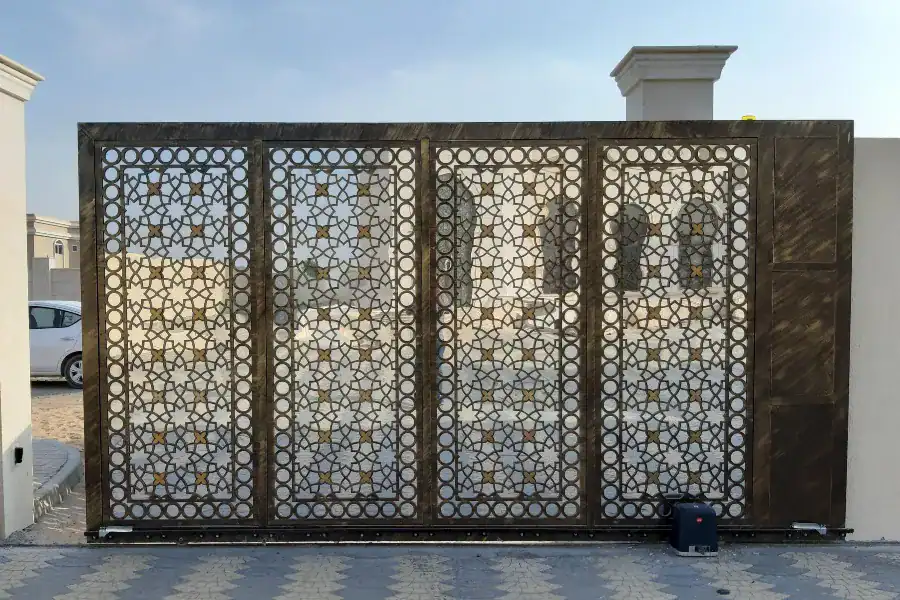
Automatic Sliding Gate
Before comparing gate opener models, determine whether the property needs a swing or sliding system. Swing gate operators and slide gate operators move gates in completely different ways.
A swing gate opens inward or outward and may have one or two gate leaves. Swing gates are common on residential driveways, but they need a clear arc of travel. A steep driveway, nearby landscaping, parked vehicles, or limited room can make this type of gate impractical.
Swing gate openers are available in single- and dual-leaf configurations. A dual setup uses two coordinated operator arms. The condition of the hinges, posts, and gate alignment matters just as much as the operator itself. If the gate is difficult to push by hand, the motor will have to work harder every time it opens or closes.
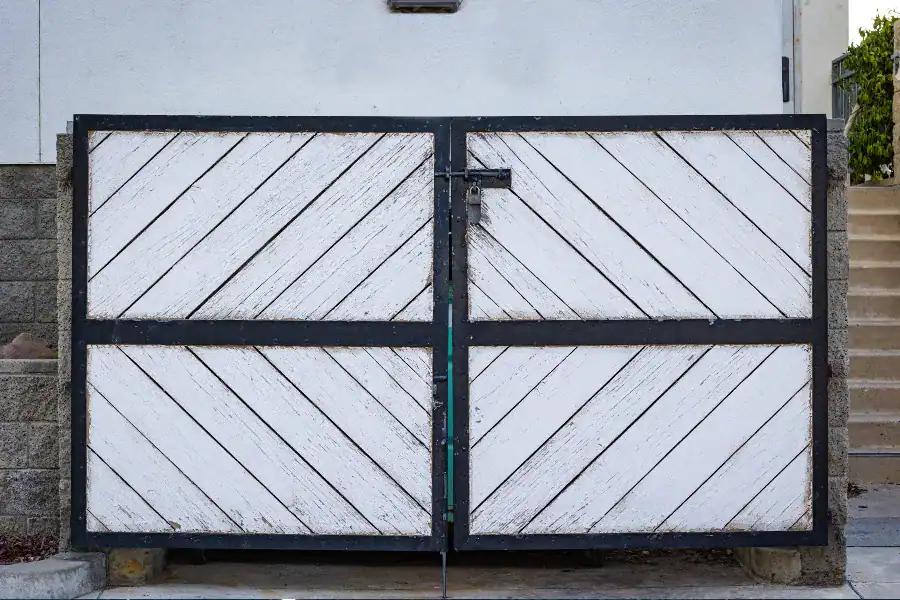
A Residential Double-Leaf Swing Gate
Sliding gates move sideways along the fence line. They may be a better choice when there is limited space in front of or behind the entrance. They are also commonly used at commercial properties and gated communities. However, a sliding gate needs enough room beside the opening for the entire gate to travel. Before choosing among sliding gate openers, measure both the driveway opening and the available runback space.
We design and install custom gate systems for residential and commercial properties. When a new fence and gate are part of the same project, we can plan the posts, opening, hardware, and gate operator together instead of trying to fit an opener onto a poorly prepared entrance later.
Match the Opener to the Gate’s Length, Weight, and Construction
Every gate opener has operating limits. Heavy-duty gate openers are designed for larger loads, longer gates, more frequent use, or demanding site conditions. However, you should not choose a gate opener based on motor size alone.
Measure each gate leaf and estimate its total weight, including panels, locks, hinges, wheels, and other hardware. A long gate can place substantial leverage on an operator even when the gate itself does not seem especially heavy.
The gate’s construction also matters. An open ornamental gate allows air to pass through, while a solid wood or metal gate catches more wind. In Oklahoma, strong winds and rapidly changing weather can place additional pressure on the opener. The selected model needs enough capacity to move the gate without operating at its maximum limit during every cycle.
A more powerful operator cannot compensate for a weak or damaged gate. The posts must be stable, the hinges or rollers should move smoothly, and the gate should remain aligned throughout its entire path of travel. If it is difficult to operate manually, repairs or replacement may be needed before gate automation is added.
Consider How Often the Gate Will Operate
Usage frequency is easy to underestimate. A residential entrance may open for family members, guests, delivery drivers, lawn crews, and service vehicles. A small office may generate dozens of cycles each day, while gated communities can experience steady traffic during morning and evening hours.
One complete opening and closing sequence is generally considered one cycle. The expected number of cycles helps determine whether a residential, light-commercial, or heavy-duty model is appropriate. Heavy-duty models use components designed for larger gates, frequent operation, or both.
Property managers should also consider peak traffic periods. The automatic gate should open at a practical speed and close without creating a backup. The gate access control system may need vehicle loops, visitor credentials, scheduled access, keypad entry, or remote management.
An undersized gate operator may overheat, wear out quickly, or become unreliable. A properly rated operator can handle the expected load without placing unnecessary strain on the motor or controller.
Choose an Electric or Solar Power Source
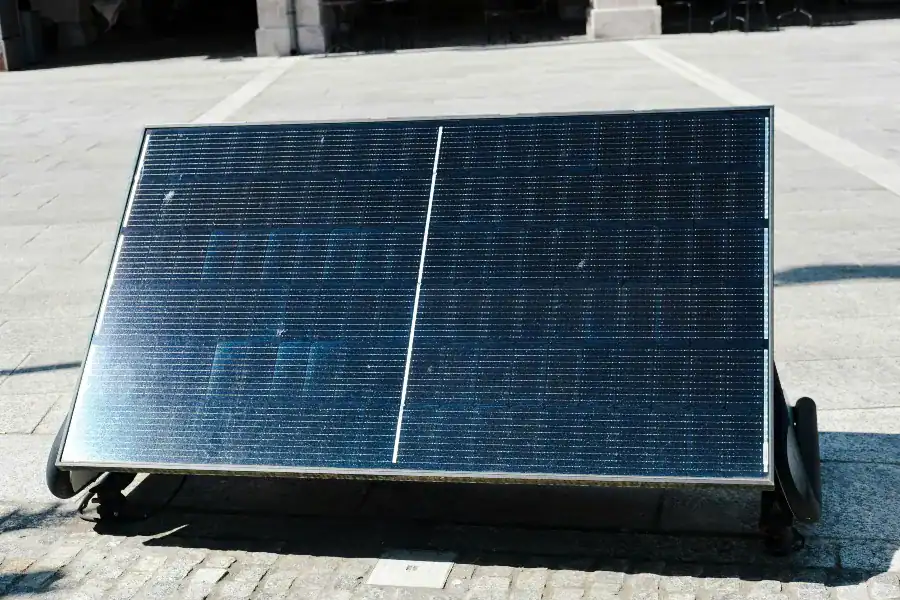
Electric and solar-powered gate openers can both be reliable when they are properly selected for the property.
A hardwired electric opener is often practical when utility power is available near the driveway. It can support frequent operation and a wide range of access control solutions. However, trenching, conduit, dedicated wiring, and electrical work may be required. Battery backup is still important in case of power outages.
A solar gate opener can be a good option when the entrance is far from an electrical line. In many systems, the solar panel charges a battery, and the battery supplies power to the opener. Panel size, battery capacity, shade, gate weight, weather conditions, and the expected number of daily cycles all affect performance.
Solar-powered gate openers can be practical for farms, ranches, remote entrances, and long residential driveways. They may also be more cost-effective when extending electric service would require a long wiring run. However, a small solar panel placed in poor sunlight will not become dependable simply because the product is labeled solar.
The system should also include a plan for power outages, weak batteries, or failed accessories. Owners need to know how the manual release works and how authorized individuals can access the property when the normal power source is unavailable.
At Tiller, we evaluate sunlight, traffic, gate location, property conditions, and desired features before recommending a wired or solar power source.
Decide How People Will Enter the Property
The opener moves the gate, but the gate access control system determines who can activate it. A setup that works well for one household may not provide enough control for a business, apartment complex, or multi-tenant property.
Remote controls are simple and familiar. A handheld remote can remain inside the vehicle and operate much like a garage door opener. However, garage door openers and automatic gate openers are not interchangeable. The receiver, frequency, programming, motor, and safety requirements must be compatible with the gate controller.
Keypad entry works well when family members, employees, vendors, customers, or service providers need access without carrying a remote. More advanced systems may support temporary codes, card readers, intercoms, telephone entry, or smartphone access.
Smartphone access allows homeowners to admit a guest without walking outside. It can also help property managers oversee entrances through remote management. Depending on the brand and service plan, commercial access control solutions may display gate status, user activity, entry records, or system alerts.
Think through normal situations before selecting accessories. How will a delivery driver request access? What happens when a remote is lost? Can an employee’s access be removed without changing every keypad code?
Tiller can integrate practical access control with swing and sliding gate systems so the technology improves security and convenience without creating unnecessary complications.
Safety Sensors Are an Essential Part of the System
An automatic gate is a large piece of moving equipment. It should be equipped with the safety devices required for the operator, gate type, and installation. The exact safety devices and their placement should follow the operator manufacturer’s instructions, applicable codes, and UL 325 requirements.
A vehicular gate should not serve as the property’s primary pedestrian entrance. A separate walk-through gate is usually the safer choice. Children should never play near moving gates, operator arms, tracks, rollers, or other hardware.
Safety also depends on the construction of the gate itself. Openings should not create obvious pinch points or reach-through hazards. Moving chains, gears, rollers, and other components may also need protective guarding. Controls should be positioned so a person cannot reach through the gate and activate the system.
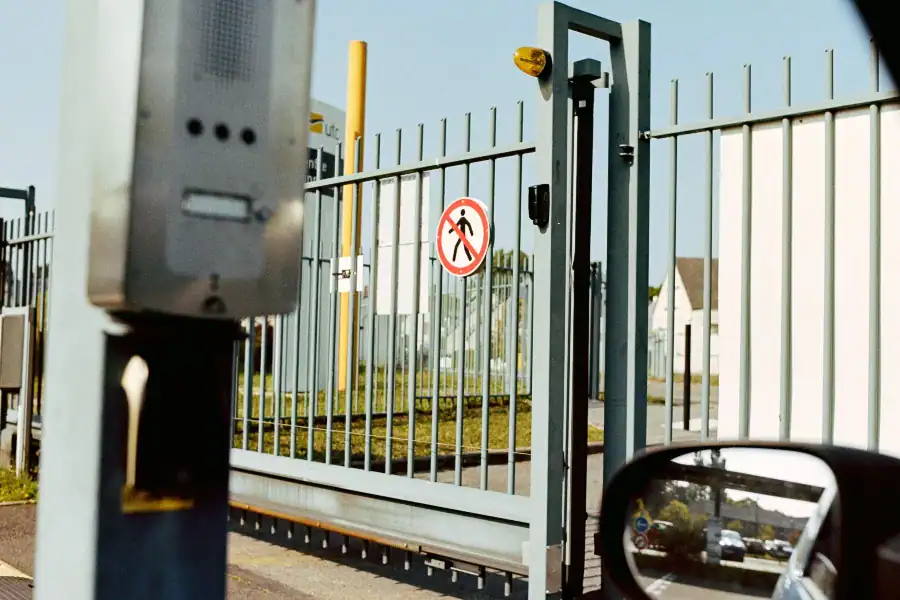
Gate openers work best when the entire entrance is maintained. Shifting posts, loose hardware, damaged wiring, blocked sensors, and worn hinges can change how the system operates. If the gate reverses unexpectedly, stops before closing, moves unevenly, or begins making a new sound, it should be inspected rather than repeatedly forced to operate.
Installation Quality Matters as Much as Equipment Selection
A well-rated operator can still perform poorly when it is installed on weak posts, incorrectly positioned brackets, a binding gate, or undersized wiring. Gate automation combines structural, mechanical, electrical, and access control work.
For a swing gate system, bracket placement affects how the operator arm pushes and pulls the gate. Incorrect measurements may reduce the opening angle, place unnecessary strain on the arm, or prevent smooth closing.
For a sliding gate system, the operator must line up correctly with the chain or rack. The gate must also remain level, supported, and guided throughout the full opening. A damaged track, poor roller alignment, or insufficient runback room can affect the entire system.
Wire size, wire-run length, grounding, battery condition, and accessory load can all influence reliability. Control boards, remote controls, keypad entry devices, and safety sensors also need to be tested after installation. Remote range may vary depending on the terrain, interference, receiver position, and nearby structures.
Tiller Fence, Pergola & Deck provides custom gate and operator installation for homes, businesses, industrial sites, and community entrances. We coordinate the gate structure with the automation, install compatible access equipment, and explain how to operate the completed system. We also offer free on-site estimates, and our installation work is backed by a one-year workmanship guarantee.
Maintenance Keeps Gate Systems Reliable
Outdoor gate equipment is constantly exposed to rain, dust, temperature changes, insects, landscaping, and normal wear. Basic maintenance can help identify a small problem before it leads to an expensive repair or complete replacement.
Keep the gate’s travel path clear and trim vegetation near the photo eyes and safety sensors. Watch for sagging, dragging, loose bolts, damaged wheels, worn rollers, or misaligned hardware. Test the manual release before an emergency occurs. Check batteries according to the manufacturer’s recommendations, and keep the solar panel clean and free from heavy shade.
Do not open the controller cabinet or adjust circuit boards unless you are qualified to do so. A gate that will not close may be responding to a blocked sensor, alignment problem, power issue, damaged wire, or failed component. Bypassing a safety feature can create a dangerous condition.
For commercial properties and gated communities, scheduled maintenance is especially valuable because one system failure may affect many customers, residents, employees, or visitors. Keep notes about recurring faults, slow movement, remote problems, or access issues so a technician can diagnose the system more efficiently.
So, What Gate Opener Should You Get?
For a typical home with a properly built single swing gate, a residential opener matched to the gate leaf’s length and weight may be enough. A dual driveway gate needs a coordinated dual-arm system. A property with limited swing room may benefit from a sliding gate. A remote entrance without nearby electricity may be a strong candidate for solar power. A busy business or gated community will usually need a commercial operator with a suitable cycle rating and more advanced access control.
Start with the gate itself. Look at how it moves, how much room it has, how often it will open, and where its power will come from. Those answers will narrow the choices much faster than comparing prices and features first.
At Tiller Fence, Pergola & Deck, we help Oklahoma property owners plan the complete entrance, from the fence and custom gate to the operator, safety sensors, remote controls, and access control solutions. The result is a system designed to look right, open smoothly, and support the way the property is actually used.
Gate Opener FAQs
Can I Add an Automatic Gate Opener to My Existing Gate?
In many cases, yes. The gate must be structurally sound, properly aligned, and easy to move by hand. The posts, hinges, rollers, hardware, available space, and overall construction should all be inspected. If the gate is sagging, dragging, or binding, repairs or replacement should come first.
Can I Use a Garage Door Opener on a Driveway Gate?
No. Garage door openers and vehicular gate operators are designed for different applications, movement patterns, controls, and safety requirements. Always use an opener specifically designed for the gate system.
How Long Should a Gate Opener Last?
The service life of a gate opener depends on correct sizing, installation quality, operating frequency, weather exposure, battery care, and maintenance. A properly selected and installed system will generally last longer than an undersized opener that is forced to handle too much weight or traffic.
How Should I Compare Mighty Mule, Ghost Controls, and Other Top Gate Opener Brands?
Mighty Mule gate openers, Ghost Controls, and other top brands may suit certain residential applications, but their available models and capabilities differ. Compare the specific opener’s gate compatibility, capacity, power requirements, safety equipment, access controls, warranty, and replacement-part availability rather than choosing by brand name alone.
Tiller Fence, Pergola & Deck evaluates the gate, property layout, traffic level, power source, and access needs before recommending an operator.
Get a Gate System Designed for Your Property
The best gate opener is not simply the most powerful or expensive model. It is the one that fits the gate, the property, the expected traffic, and the people who will use it.
Tiller Fence, Pergola & Deck installs custom gates, swing and sliding operators, solar-powered systems, smart access controls, and heavy-duty commercial solutions in Oklahoma City and surrounding areas. We can inspect your entrance, explain the available options clearly, and help you choose a secure and convenient system built around your property. Contact our team at (405) 784-4424 to schedule a free on-site estimate.