Building a new deck is one of the easiest ways to make a backyard more useful. Before any of that, though, there is one important choice: composite decking vs wood decking.
Both materials can create a beautiful outdoor space, but they come with different costs, maintenance needs, and long-term expectations. Some homeowners love the natural beauty of real wood. Others prefer the easier upkeep of composite decking.
At Tiller Fence and Deck, we build custom wood and composite decks for Oklahoma City-area homes. Our deck services include traditional wood and composite options.
Composite Decking vs Wood Decking: The Quick Comparison
When comparing composite decking with wood, the major difference often shows up after installation. Traditional wood decking usually has a lower initial price, especially when pressure-treated pine is used. Composite normally has a higher upfront cost, but it requires less maintenance over its entire lifespan.
Wood gives you an authentic grain pattern that manufactured materials cannot copy perfectly. Composite boards, meanwhile, come in a wide array of colors, finishes, and wood-look styles. Modern composite options can create a convincing natural look with less annual maintenance than wooden decks.
Wood decks often last about 10 to 20 years depending on species, installation, climate, and upkeep, while composite decks commonly reach 25 to 30 years or more with proper care.
If your priority is lower upfront cost and genuine wood character, a wood deck may make sense. If you want a low maintenance composite deck with minimal maintenance, composite may offer better long-term value.
What Is Composite Decking?
Composite decking is made from a blend of materials rather than solid lumber. Many composite materials combine wood fibers or reclaimed wood fibers with recycled plastic and other raw materials. During the manufacturing process, those components are formed into durable decking boards.
Many newer products are capped composites. A protective outer shell covers the core to improve resistance to fading, staining, moisture, and everyday wear.
Composite can use recycled materials instead of relying entirely on new raw materials. Some composite products incorporate a high percentage of recycled and reclaimed materials, reducing the need for virgin raw materials. Still, not every product has the same environmental footprint.
Unlike wood, composite decking boards do not need regular staining or sealing. Composite decking offers strong resistance to rot, splintering, and insect damage. Today’s composite deck options give busy homeowners a practical way to create an attractive outdoor living space without the regular staining and sealing that comes with traditional wood.
Trex composite decking is one example of a low-maintenance composite product homeowners may encounter while comparing materials.
What Makes Wood Decking Different?
Wood decking is made from natural wood, commonly pine, cedar, or other timber. Traditional wood remains popular because it is a natural product with authentic variation and texture.
Pressure-treated wood, particularly pine, is common in residential decking projects because it is widely available and relatively affordable. The treatment helps the lumber resist decay and insects, although the boards still need protection from moisture and UV exposure over time.
Wood does require more care. Most traditional wood decks need cleaning, inspection, and periodic sealing or staining. Homeowners may need to re-stain or reseal every few years depending on exposure and use.
Wood can also absorb moisture, contributing to swelling, cracking, warping, or rot when maintenance falls behind. For homeowners who love natural wood and accept the upkeep costs, those tradeoffs may still be worthwhile.
Composite vs Wood Decking Cost
For most homeowners, cost is where the composite vs wood debate gets serious.
A pressure-treated wood deck generally has a lower upfront cost than a comparable composite deck. That smaller initial investment can help when the project has a firm budget.
Composite decking cost is typically higher because the decking material goes through a more involved manufacturing process. Premium composite boards and hidden fasteners can increase the initial price.
The calculation changes over time. Wood may need stain, sealer, cleaners, repairs, and refinishing. Those maintenance costs add up. Composite still needs cleaning, but it avoids many recurring refinishing expenses.
We encourage homeowners to compare material costs with long-term upkeep, not price alone. The cheaper board on installation day is not always the option that will save money over the life of the deck.
Maintenance: Where Composite Has an Advantage

If keeping weekend chores to a minimum matters, composite has a clear advantage. Most composite decking does not require the sanding, staining, and sealing that comes with a traditional wood deck. Periodic cleaning with soap and water is usually enough for everyday dirt and spills, although homeowners should always follow the manufacturer’s care instructions.
Wood is different. Even a well-built wood deck needs regular maintenance to protect its appearance and durability. Regular staining or sealing helps slow weathering and moisture intrusion. Boards should also be checked for splinters, loose fasteners, rot, and wear.
Wood can feel high maintenance, but some people like being able to sand and refinish it later. If the goal is simply less maintenance, composite is usually easier to live with.
Durability, Heat, and Oklahoma Weather
Oklahoma City homeowners should think about more than appearance. Decking has to handle hot summers, rain, storms, and seasonal temperature swings. Oklahoma City’s average July high is around 93°F, so surface temperature is worth considering when choosing decking.
That kind of summer heat matters when choosing composite or wood. Composite resists several problems associated with traditional wood, including splintering and rot, but darker boards can become noticeably hot in direct sunlight. For an exposed Oklahoma backyard, a lighter board color, some afternoon shade, or a product designed to reduce heat absorption may make the deck more comfortable underfoot.
A damaged composite board can also be harder to restore cosmetically. Wood can often be sanded or refinished, while badly damaged composite may require board replacement.
Warranty coverage is worth comparing, too. Many composite decking products come with lengthy residential warranties, but coverage for structural performance, fading, and staining varies by manufacturer and product line. A long warranty does not guarantee identical performance in every environment, so it is worth reading the actual terms before choosing a board.
Which Material Looks Better?
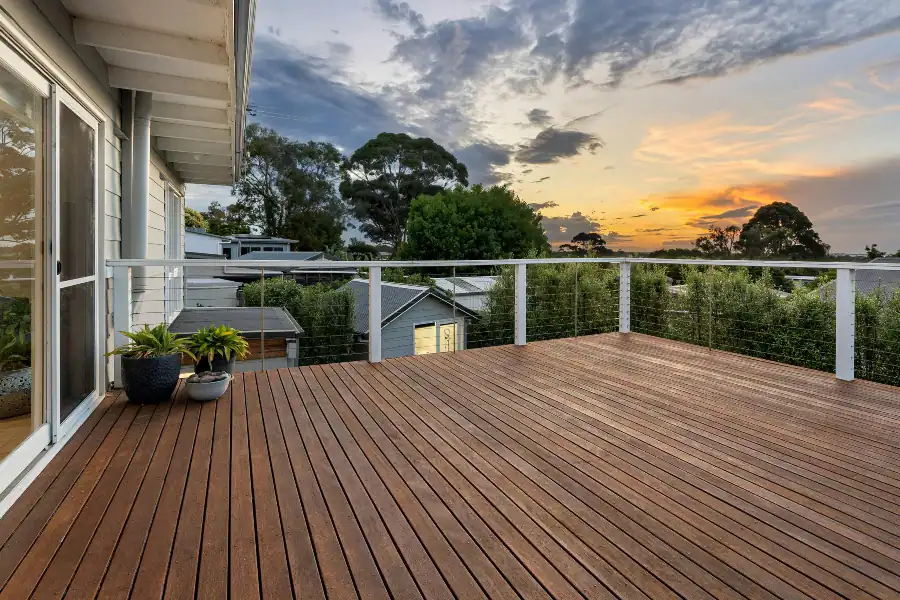
This part of wood vs composite comes down to taste.
Real wood has natural beauty from genuine grain, knots, and color variation. For homeowners who want a classic backyard appearance, wooden decks remain hard to beat.
Composite has come a long way. Today’s composite decking boards come in many tones and grain patterns, including products designed to resemble hardwood. Some homeowners prefer that consistency; others want timber’s natural imperfections.
At Tiller Fence and Deck, we help homeowners consider how the deck will work with the home’s exterior, fencing, landscaping, and other features. A well-planned deck can also add usable living space and support resale value, although the result depends on the home, neighborhood, and overall project.
Composite and Wood Decking: Pros and Cons
The pros and cons are easier to weigh when you think about how you plan to use the space.
Choose composite if you want minimal maintenance, resistance to common outdoor wear, plenty of color choices, and fewer ongoing upkeep costs. It is especially appealing for busy homeowners who want more time using the deck than maintaining it.
Choose wood if the initial price matters most, you prefer a natural product, or you simply love real wood. Pressure-treated wood can be an economical new deck option, while cedar and other timber decking create a more distinctive finish.
Wood is a renewable material, but where it comes from matters. Responsibly sourced lumber can be a good option, while composite products can reduce the need for new raw materials by incorporating recycled wood fibers and plastic. Neither choice is automatically the most environmentally friendly. The right material depends on sourcing, recycled content, lifespan, and how often it may need to be replaced.
So, Should You Choose Composite or Wood?
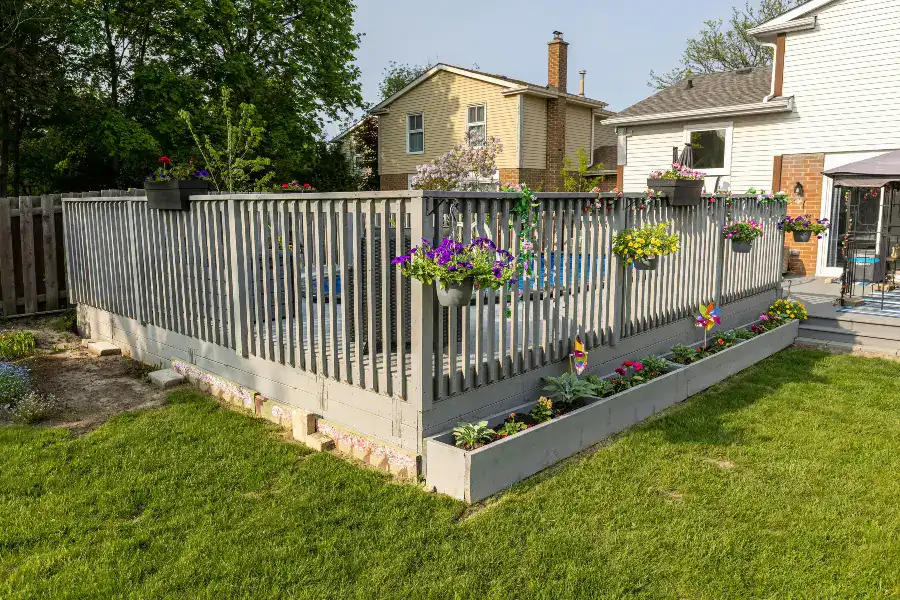
When comparing composite decking vs wood decking, start with the experience you want after the project is finished. For some homeowners, nothing replaces the look and feel of natural timber, and the lower initial cost of pressure-treated lumber can make wood an easy choice. You just have to be comfortable giving it regular attention over the years.
Composite makes sense for a different kind of homeowner. As one of the most popular modern alternatives to traditional wood decking, it offers lower maintenance and a more consistent appearance. The upfront cost is higher, but if staining, sealing, and refinishing aren’t how you want to spend your weekends, that added investment can be worthwhile.
At Tiller Fence and Deck, we build custom decks for Oklahoma City homeowners and help you compare materials before the first board goes down. Whether your dream deck calls for pressure-treated lumber or low-maintenance composite boards, just contact us at (405) 784-4424, and our team can design and professionally install an outdoor space that fits your home, your budget, and the way you actually plan to use it.