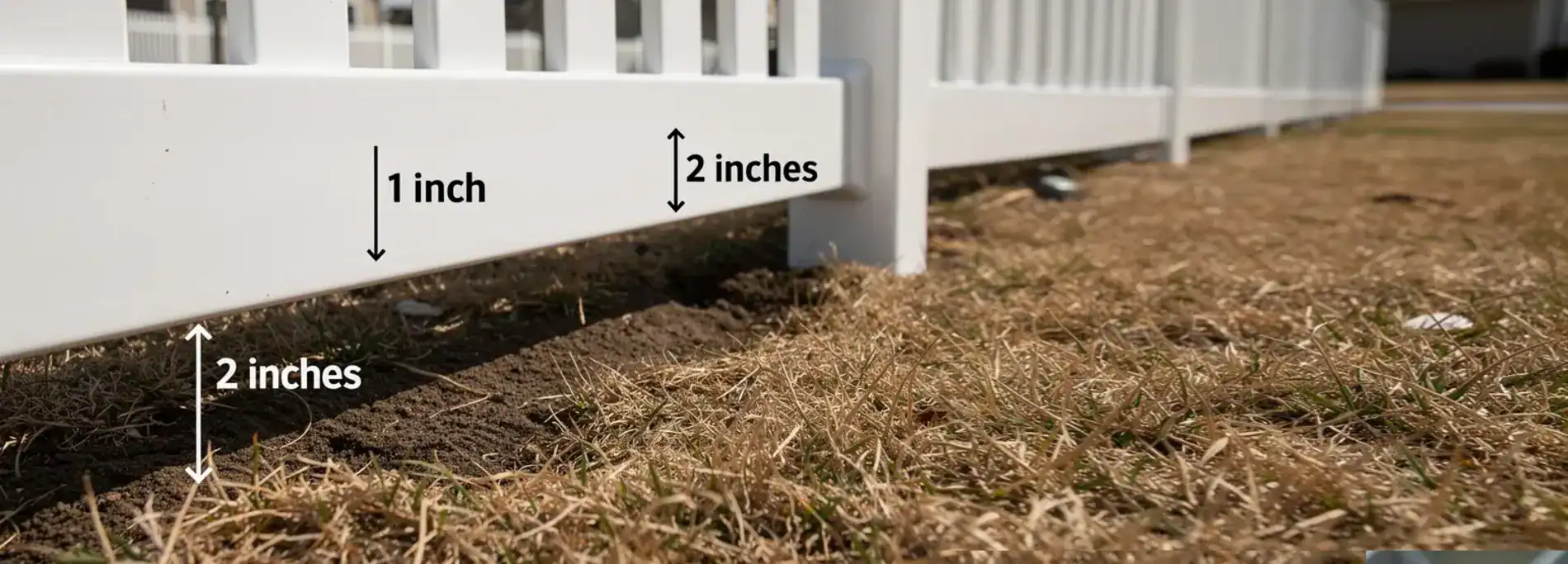
If you’ve ever asked yourself, “Is a vinyl fence better than wood?”, you’re not alone. Choosing between a vinyl fence and a wood fence sounds simple until you consider maintenance costs, weather resistance, curb appeal, and how long each option actually lasts. One neighbor swears by the classic look of stained cedar, while another never wants to scrape or repaint a fence again after switching to vinyl. The truth is that both materials have strengths, but the right choice depends on your home, your budget, and how much upkeep you are willing to deal with over the years. At Tiller Deck and Fence, we help homeowners compare fencing options every day, and there are a few important differences that can completely change which fence makes the most sense for your property.
Why Homeowners Compare Vinyl and Wood Fencing
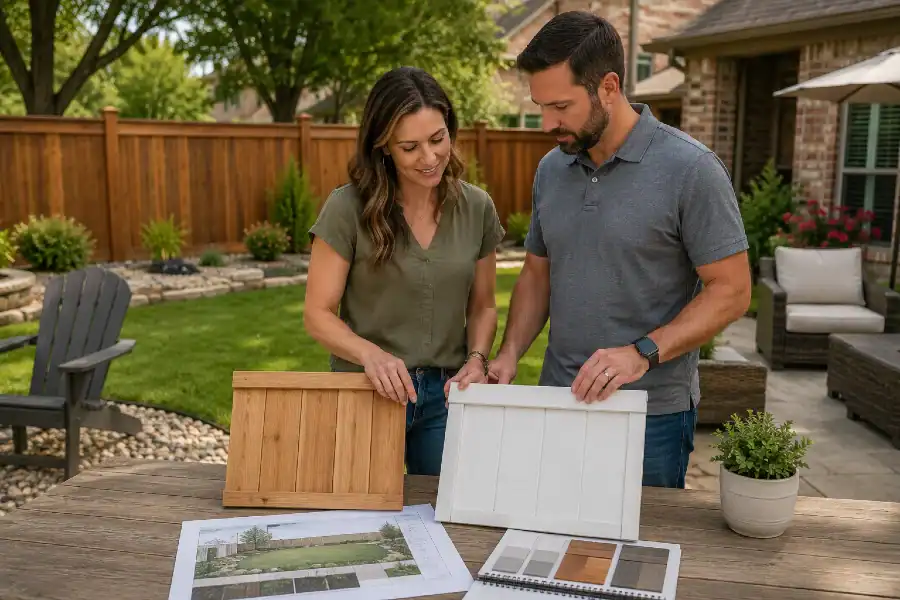
When people start shopping for a new fence, the conversation almost always comes down to wood vs vinyl. These are two of the most popular fence types for residential fencing because they offer privacy, style, and durability in very different ways.
Some homeowners love the warmth and texture of a natural wood fence. Others prefer the clean, low-maintenance appeal of vinyl fencing products that stay consistent year after year. There is no universal winner because every property, budget, and homeowner lifestyle is different.
How the Right Fence Material Changes Everything
The right fence material affects far more than appearance alone. It changes your maintenance schedule, your long-term value, and the amount of work you will handle after the fence installation is complete.
A fence is one of the first things people notice about a property. It affects security, privacy, and overall curb appeal. It also takes a beating from weather, moisture, temperature swings, and everyday wear. That is why carefully comparing vinyl and wood fences before making a decision matters so much.
Fence vs Vinyl: Understanding the Biggest Differences
The debate around fence vs vinyl usually comes down to appearance versus convenience. Both materials have distinct advantages depending on what matters most to you.
A wooden fence often delivers more character and texture, while vinyl tends to prioritize consistency and ease of ownership.
Appearance and Overall Curb Appeal
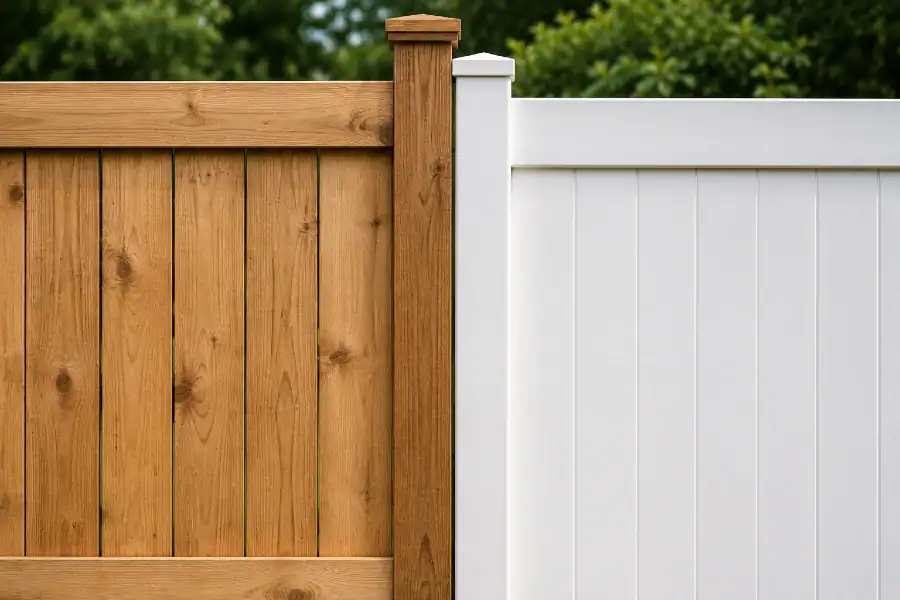
A wood fence vs vinyl comparison usually starts with appearance because the visual difference is immediate.
Wood offers warmth, grain variation, and a more organic style that many homeowners associate with traditional neighborhoods and outdoor living spaces. A natural wood fence can feel custom and timeless, especially when paired with landscaping or older homes.
Vinyl, on the other hand, creates a cleaner and more uniform appearance. Many homeowners appreciate the finished appearance of vinyl because it stays bright and polished without fading unevenly over time.
Your aesthetic preferences will heavily influence which one feels right for your property.
Privacy, Style, and Design Flexibility
Both wood and vinyl fences offer privacy fence options, decorative styles, and different heights. The difference is usually in customization.
Wood fences offer more flexibility for unique designs, custom staining, decorative tops, and specialty layouts. Different wood type selections can also completely change the look of the fence.
Vinyl fencing products are more standardized. That consistency helps maintain appearance over time, but it also means fewer opportunities for dramatic customization.
Initial Cost vs. Long-Term Value
One of the biggest deciding factors for many homeowners is cost.
Why Vinyl Often Comes With a Higher Initial Cost
A vinyl fence cost is usually higher upfront than wood. The materials themselves cost more, and professional installation can also be more specialized depending on the system being used.
The higher initial cost sometimes surprises homeowners who assume vinyl is the cheaper route because it needs less maintenance later. In reality, the upfront investment is often larger.
The average linear foot of vinyl fencing installed may also vary depending on panel style, gate placement, and terrain conditions.
Why Wood May Cost Less Upfront
The cost of a wood fence is often lower at the beginning, especially when using pressure-treated lumber or simpler layouts.
For homeowners handling diy projects themselves, wood can also feel more approachable. Many people enjoy diy projects because repairs and modifications are easier with common tools and materials.
That lower initial cost is one reason wood remains extremely popular.
Comparing Long-Term Value Over Time
The long-term value conversation becomes more interesting once maintenance and lifespan enter the picture.
A well-maintained wood fence can last for years, but it typically requires staining, sealing, or repainting over time. Vinyl requires far less attention after installation, which lowers ongoing maintenance expenses over time.
Some homeowners prefer paying less up front and handling upkeep themselves. Others would rather pay more initially for minimal upkeep later.
Fence Installation: What To Expect With Each Material
Fence installation varies depending on the material used and the property’s condition.
How Vinyl Fence Installation Differs From Wood
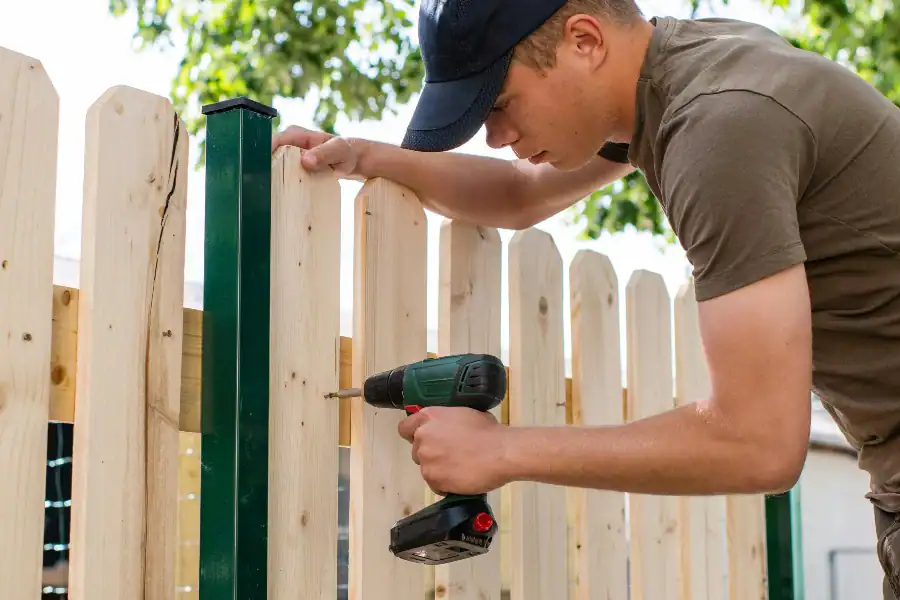
A vinyl fence uses interlocking panels and specialized systems that rely heavily on proper installation for long-term durability.
Unlike wood, vinyl sections are manufactured to fit together precisely. If posts shift or measurements are slightly off, the entire panel alignment can become uneven.
Wood construction is often more forgiving during installation adjustments.
Timeline, Labor, and Property Preparation
Both fence systems require careful planning, post placement, and leveling.
Wood posts may require additional attention in moisture-exposed areas, while vinyl systems need stable support to preserve structural integrity over time.
Professional installation helps reduce future issues regardless of which material you choose.
Maintenance Requirements Homeowners Should Know
This is where the biggest difference between vinyl vs wood often appears.
The Reality of Wood Fence Maintenance Upkeep
Wood requires regular maintenance to stay looking good.
That can include:
- Sealing or staining every few years
- Replacing damaged boards
- Monitoring for insect damage
- Repairing cracked or warped sections
- Cleaning mildew or dirt buildup
Wood shrinks and expands naturally as temperatures and moisture levels change. Over time, that movement can create cracking, splitting, or uneven surfaces.
A wooden fence can absolutely stay beautiful for years with proper maintenance, but it does require attention.
That maintenance upkeep is not necessarily a negative for homeowners who enjoy caring for outdoor spaces. Some people genuinely like preserving the natural aesthetics of real wood.
Why Vinyl Has Lower Maintenance Requirements
Vinyl requires far less work after installation.
Most cleaning involves little more than a garden hose or occasional cleaning with mild soap and water. Some homeowners use a pressure washer carefully for tougher buildup.
Unlike wood, vinyl does not rot, splinter, or attract termites. It also does not require painting or staining later.
For busy homeowners, low-maintenance ownership is one of vinyl’s biggest selling points.
Comparing Annual Maintenance Cost Between the Two Options
The difference in maintenance costs accumulates over time.
Wood may require painting, sealing products, replacement boards, and additional labor throughout its lifespan. Vinyl has fewer recurring costs after the fence is installed.
That is why many homeowners eventually view vinyl as the better long-term durability investment despite the higher upfront investment.
Weather Resistance and Everyday Durability
Weather can dramatically affect fencing performance over the years.
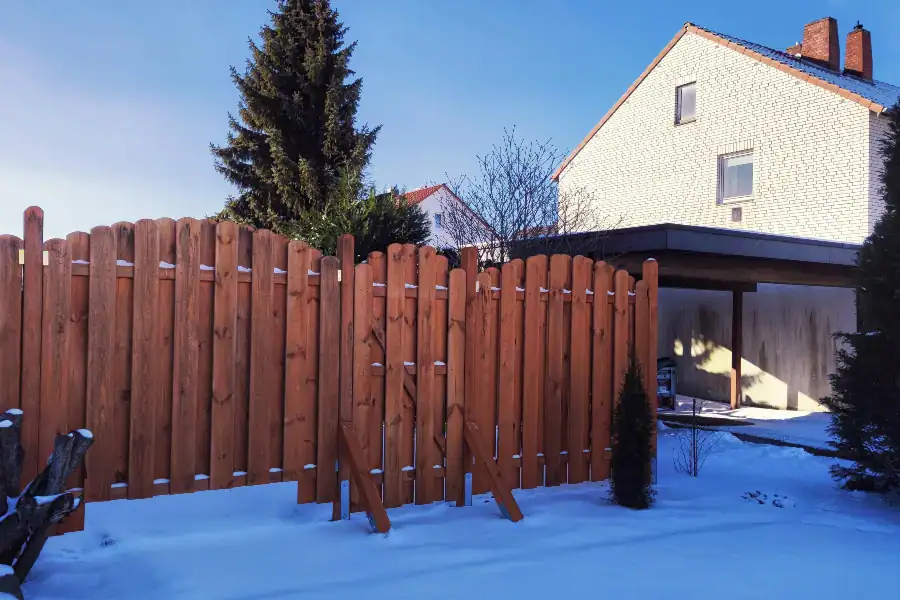
How Both Wood and Vinyl Handle Oklahoma Weather
Both wood and vinyl can perform well outdoors when installed correctly, but they react differently to the elements.
Extreme cold and rapid temperature swings can cause wood movement, while vinyl may become more brittle in very cold conditions. Heat and moisture also affect both materials differently.
Moisture, Sun Exposure, and Rot Concerns
Wood absorbs moisture naturally, especially if sealing schedules are ignored. Over time, this can affect structural integrity and shorten lifespan.
Pressure-treated lumber helps resist decay, but even treated materials eventually require maintenance.
Vinyl does not absorb water the same way, which helps reduce rot concerns.
Cracking, Warping, and Fading Over Time
Wood fences may warp, split, or fade depending on exposure levels and upkeep habits. Vinyl fences typically maintain a more consistent appearance over time.
That consistency is one reason many homeowners choose vinyl for modern neighborhoods and long-term ownership plans.
Environmental Impact and Sustainability
Environmental concerns matter more than ever when choosing building materials.
Understanding the Vinyl Manufacturing Process
Vinyl fencing is made from polyvinyl chloride, a synthetic product created through an industrial manufacturing process.
Some manufacturers now incorporate recycled materials into production, which helps reduce waste.
Still, some homeowners prefer avoiding synthetic materials altogether.
Environmental Impact of Treated Lumber and Wood Waste
Wood is a natural material that appeals to homeowners focused on renewable resources and traditional building methods.
However, chemical treatments used in pressure-treated lumber can create environmental concerns of their own, depending on disposal methods and manufacturing standards.
There is no completely perfect answer when discussing environmental impact because both options come with tradeoffs.
Which Fence Material Is More Eco-Friendly?
The answer depends on what factors matter most to you.
Some homeowners value renewable sourcing. Others prioritize lifespan and lower replacement frequency. One fence may fit your environmental priorities better than another, depending on how you define sustainability.
Which Fence Works Best for Different Homes?
Every property has different needs.
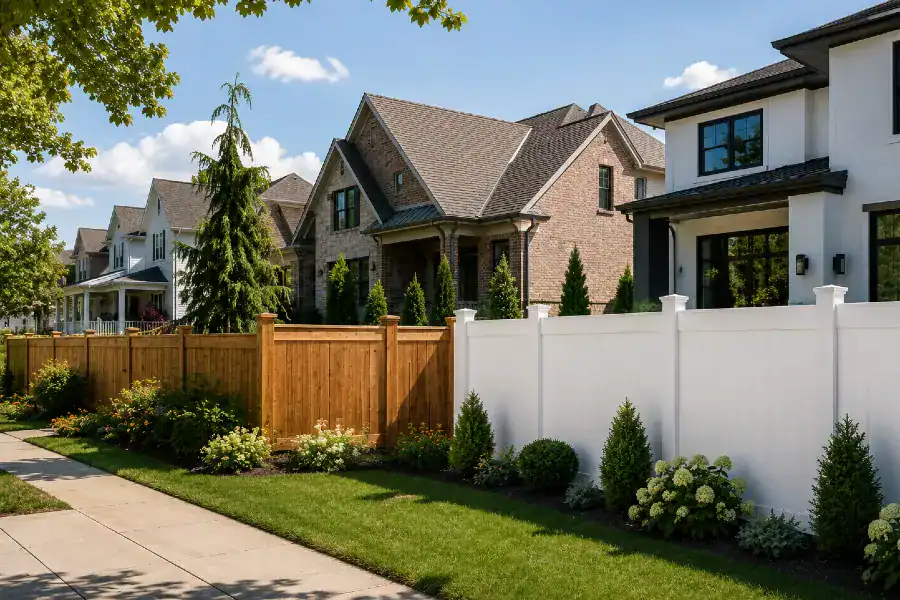
When a Wood Fence Makes More Sense
Wood often works best when homeowners want:
- Strong natural beauty
- Custom design flexibility
- Traditional neighborhood charm
- Easier modification options
- Lower upfront pricing
A well-maintained wood fence can create incredible warmth and character around a home.
When Vinyl Is the Better Investment
Vinyl often makes more sense for homeowners who want:
- Minimal maintenance
- Long-term durability
- Consistent appearance
- Fewer repair concerns
- Easier ownership overall
For many homeowners, the reduced ongoing maintenance alone justifies the higher initial price.
Making the Right Choice for Your Property
The wood fence vs comparison really comes down to priorities.
If you value craftsmanship, texture, and natural aesthetics, wood may feel more rewarding. If convenience and lower maintenance requirements matter more, vinyl may be the smarter fit. Homeowners exploring wood fence services often find that the decision depends on how much maintenance they are comfortable with and the overall look they want to achieve.
There is no single right answer because every homeowner uses their outdoor space differently.
Questions To Ask Before You Commit
Before choosing between a wood vs vinyl fence, ask yourself:
- How much maintenance am I realistically willing to handle?
- Do I want a classic look or a more modern finish?
- Am I prioritizing upfront savings or long-term value?
- How important is customization?
- Will I maintain the fence consistently over time?
Those answers usually make the decision much clearer.
Talk With Tiller Deck and Fence About Your Options
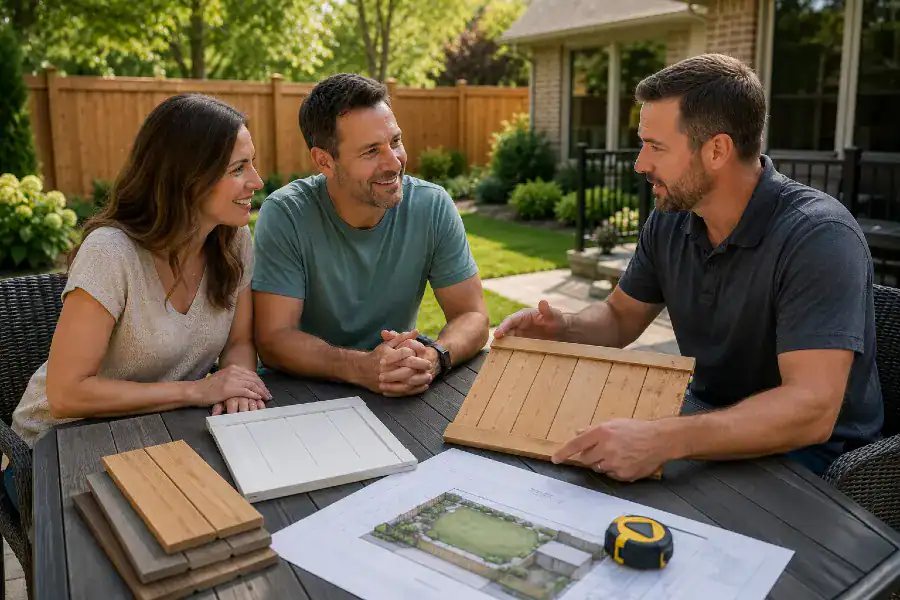
Choosing the right fence should feel exciting, not overwhelming. Whether you are leaning toward a natural wood fence or comparing vinyl or wood fences, understanding the tradeoffs helps you make a smarter decision for your home and budget.
Factors like maintenance requirements, exposure to cold temperatures, and the potential for a shorter lifespan can all play a role in your decision. If you have questions about which option is right for your property, reach out to Tiller Deck and Fence. Our team is happy to help you compare materials and find a fence that fits your goals.