Figuring out where to put a pergola in your yard starts with choosing a spot that balances shade, comfort, access, and how you actually use your outdoor space. For many homeowners, the best location is over or beside an existing patio, deck, or seating area near the house. Others may get more value from placing a pergola farther into the backyard to create a quiet retreat, garden feature, or shaded gathering space.
At Tiller Fence & Deck, we know the right pergola placement depends on more than looks. Sun exposure, traffic flow, landscaping, available backyard space, and the pergola’s purpose all play a role. In this guide, we’ll walk through how to choose the right location, whether a pergola should sit close to the house or farther into the yard, how sunlight affects placement, and what to consider around patios, pools, gardens, and other outdoor features.
Start With What You Want the Pergola to Do
The best place for a pergola depends first on its purpose. Many homeowners want a shaded seating area for coffee or conversation. Others need a larger space for entertaining, an outdoor kitchen, or a comfortable spot near the pool.
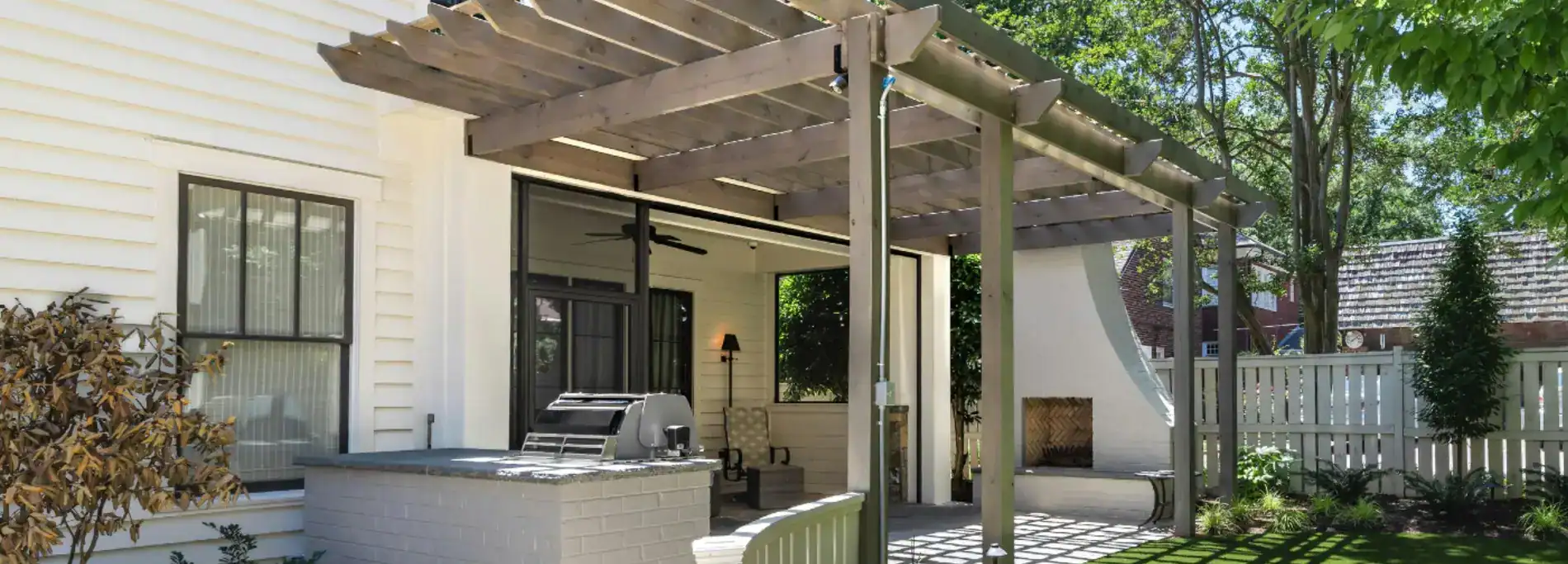
If your family often eats outside, keeping the pergola close to the back doors makes sense. You get easy access to food, drinks, lighting, and the kitchen. A pergola attached to the house can extend indoor living outdoors, while a wall-mounted pergola may work well over an existing patio or deck when the exterior wall and surrounding structure are appropriate.
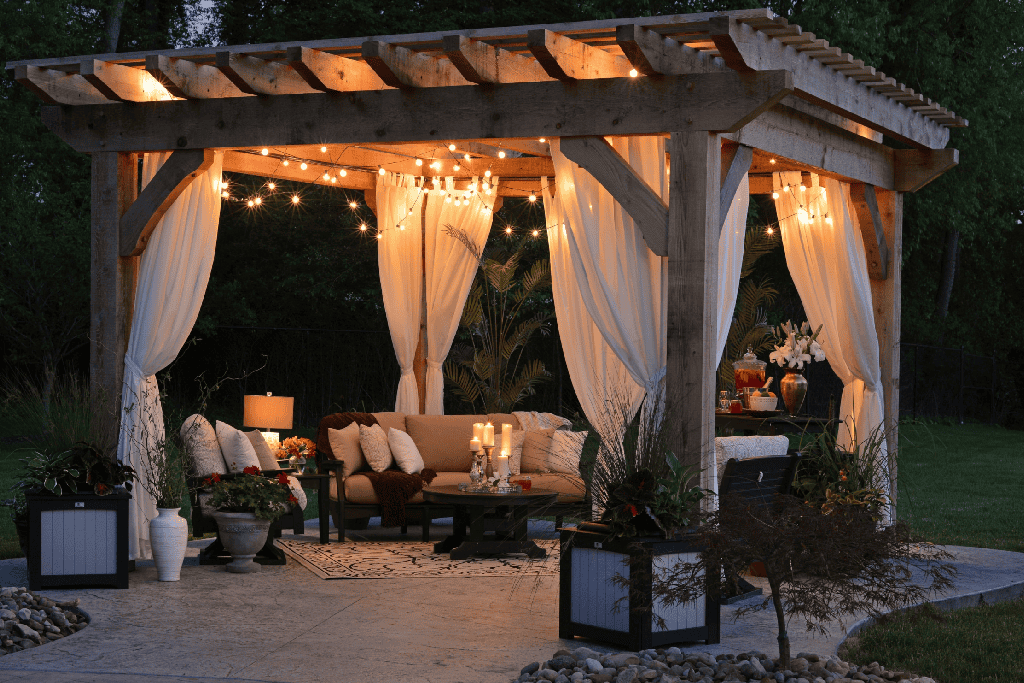
If you want a private retreat, moving the pergola farther into the garden or lawn can be a great option. Add a hammock, comfortable furniture, greenery, or climbing vines, and the pergola makes that part of the property feel like a destination rather than leftover yard.
Watch the Sun Before You Decide
Shade is one of the biggest reasons people install a pergola, so watch how sunlight moves across your property before choosing placement. This matters especially during Oklahoma City’s hot, sunny summers, when afternoon exposure can make an uncovered seating area much less comfortable. Morning sun can feel pleasant, while exposure from the west may become uncomfortable during an Oklahoma summer afternoon.
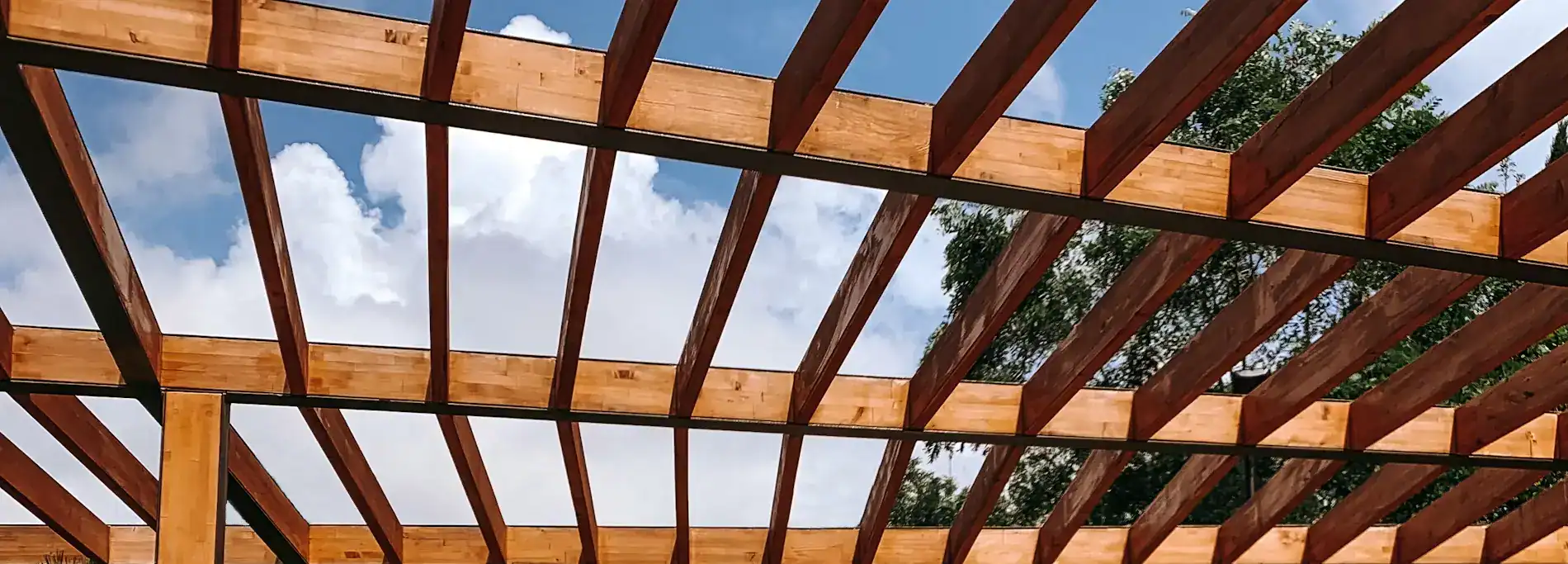
Think about how much shade you actually want. Traditional open rafters provide shade while keeping the area airy. If you want more shade, the design can use closer rafters or other shade features. A covered roof can create additional shade and weather protection, but it will feel different from a more open pergola roof.
Good placement can also make the seating area feel noticeably cooler. Depending on sun exposure, airflow, and the amount of overhead coverage, pergola shade can significantly improve outdoor thermal comfort compared with sitting in direct sunlight. This is why positioning the structure where it blocks the strongest afternoon sun can make such a difference during hot months.
Orientation matters as well. The south and west sides of the house can receive strong sunlight at different times of day. A mature tree, fence, roofline, or gazebo may already block part of the sun. For example, a seating area that is shaded at noon may still receive direct evening sun. Looking at these patterns helps you find the right place instead of relying on guesswork.
Wind deserves attention too. Oklahoma properties can experience significant wind, so a pergola should enhance airflow rather than block it. Where the site allows, positioning the open sides of the structure with prevailing airflow can improve ventilation. A completely exposed site can also place more wind load on a freestanding pergola, making proper anchoring, structural design, and orientation especially important.
Should the Pergola Be Close to the House?
A pergola close to the house works especially well when convenience matters. It is a natural choice for an outdoor kitchen, grill area, dining table, or social spaces where people move back and forth indoors. It can also help a simple patio feel more finished.
For a freestanding design, leave enough separation from the house for comfortable movement, airflow, doors, furniture, and any required setbacks. The ideal distance varies based on the property’s layout, nearby utilities, available space, and how you plan to use the pergola.
A freestanding pergola gives you more freedom. It can create a focal point in the middle of a garden, turn an unused corner into a seating area, or define part of a larger space. If you have a big backyard, a pergola can make the layout feel more organized without closing it off.
There is no rule that every pergola has to sit against a wall. The right location depends on the size of the space, the style of your house, and how you want the pergola set within the yard. At Tiller, we approach each pergola installation around the property itself rather than forcing the same placement on every home.
Work With Your Patio, Deck, Pool, and Landscaping
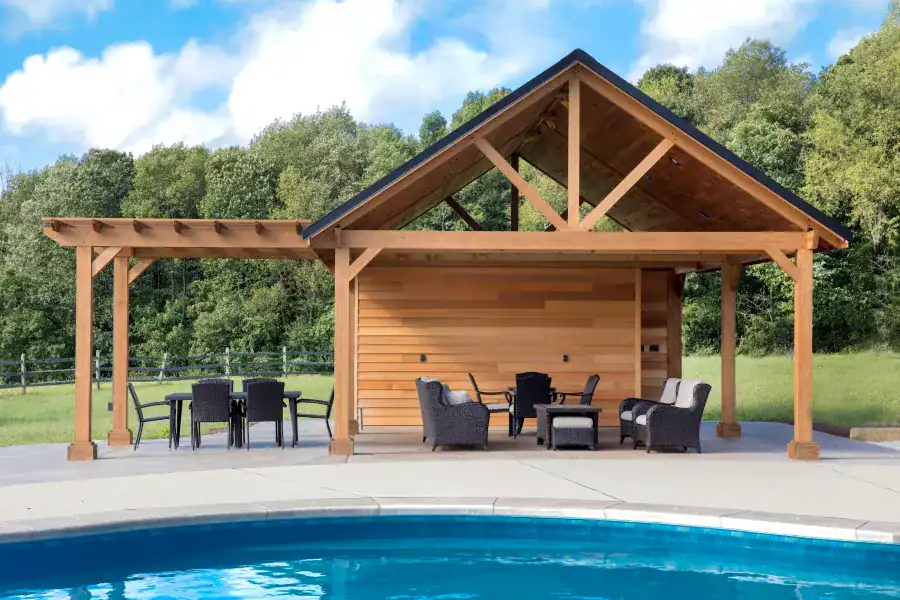
You may already have a good location without realizing it. Start with the parts of the backyard your family uses most. If you already have a patio or deck that gets regular use, a pergola can be a great addition, providing shade and helping you enjoy that area for more of the day. Near a pool, it can create a comfortable place to sit, dry off, or watch the kids without moving far from the water.
Your landscaping matters too. A tree, flower bed, or garden view can become part of the experience instead of something the pergola hides. Wood details can complement an existing fence or deck, while plants and vines soften the structure as they grow.
Avoid placing the pergola too close to mature trees without considering roots, branches, and falling debris. The goal is to complement your landscaping, not create a maintenance problem. For freestanding structures in particular, nearby landscaping can also provide some protection from exposure while still allowing air to move freely through the space.
Think About Easy Access and Everyday Movement
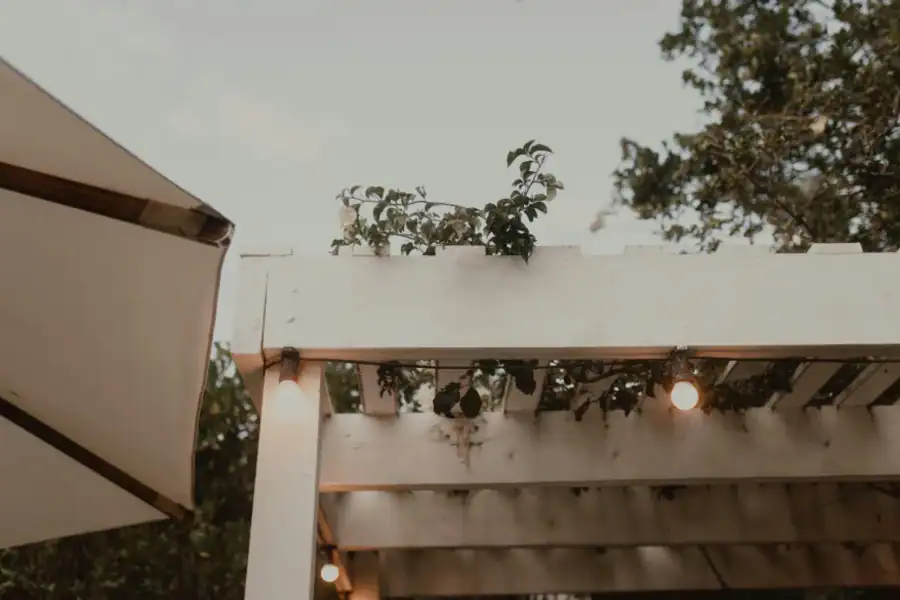
Good placement should feel natural when you walk through the backyard. You should not have to squeeze around a post, cross wet grass every time you want to sit down, or block the main route from the doors to the pool.
Picture a normal evening. Someone is carrying dinner from the house while guests are heading toward the seating area and kids are moving across the lawn. If the pergola sits in the middle of that traffic, the location may look fine on paper but become frustrating in real life.
For entertaining, easy access is valuable. For a quiet retreat, a little distance from the house may be exactly what makes the space relaxing. A setup that works for weekend cookouts may be completely different from one meant for quiet evenings away from the house. Whatever the location, leave enough open space around the structure so people can move comfortably and air can continue circulating through the area.
Make Sure the Ground and Size Work
Before you install the structure, consider the site itself. A pergola should sit on level, well-drained ground with a suitable foundation and enough room for posts, furniture, and movement around it. The best place is not always the largest empty patch of grass. It is the location where the pergola fits comfortably without making the yard feel cramped.
Scale matters. A large pergola can overwhelm a tight backyard, while a small design may disappear in a larger space. Plan around the furniture you expect to use. A dining table, outdoor sofa, grill, or hammock all need clearance.
Pay particular attention to drainage. A low area where water regularly pools may require site preparation before construction. Standing water around the structure is more than an inconvenience; over time, repeated water exposure and poor drainage can contribute to problems around concrete footings and the surrounding soil. You also do not want runoff from a roof to create new issues near the house, lawn, or garden.
Before finalizing the location, local requirements should be part of the plan as well. Oklahoma City requires permits for the construction or alteration of primary and accessory structures, although the requirements for a specific pergola can depend on the project. At Tiller Fence, Pergola & Deck, we can help homeowners navigate applicable permit requirements as part of planning the installation.
Make the Pergola Part of the Outdoor Space
Before settling on a spot, look at it from more than one angle. Check the planned location from inside the house, across the yard, and from the patio. It can become a focal point, but it should still complement the architecture and style of the property.
Think ahead to the details you may add later. Lighting can extend evenings outdoors, while planters, fans, furniture, and vines can make the area feel more inviting. A good plan also leaves room for future improvements, whether that means extending a deck, adding a fence, or changing the landscaping.
At Tiller Fence, Pergola & Deck, our pergola, deck, and fencing services are centered on creating outdoor areas that feel practical, comfortable, and connected to the home. We want the finished structure to support the way you already use your property while giving you more reasons to enjoy it year-round.
Where Is the Best Place to Put a Pergola?
If you are still trying to decide where to put a pergola in your yard, start with the place where you naturally want to spend more time. Watch the sun, notice where people gather, think about access from the house, check the wind and drainage, and consider the view you want when you sit down.
For one home, the perfect spot may be directly over a patio. For another, it may be beside the pool, near the garden, or in a quiet corner surrounded by greenery. The best pergola placement balances comfort, shade, airflow, access, drainage, and style.
When you are ready to create a new pergola, Tiller Fence & Deck can help you decide on placement, size, materials, and design so the finished space feels like it belongs. A little planning up front can lead to a backyard your family enjoys for years.