Painting a wood deck is not as simple as opening a can and calling it a day. If you are looking up how to paint decking, you have probably seen at least one deck in your neighborhood that looks like it is shedding its skin after just one winter. A lot of those surfaces that look worn out still have a perfectly solid structure underneath. They just need the right preparation and the right finish to look like they belong with the rest of the house again.
If you want a painted deck that actually holds up through heavy foot traffic, the blistering summer heat, and the wild Oklahoma weather, the work starts long before you ever touch a brush. Dirt, old paint, and weathered wood all decide how well that new paint is going to stick. If you skip the boring parts, you will be dealing with peeling paint again much sooner than you think.
At Tiller Deck and Fence, we see this constantly. A homeowner tries to repaint without first addressing loose paint or the old finish. It might look great for a week or two, but it never lasts through a full season of sun and heavy use.
Paint or Stain: How to Choose the Right Finish for Your Deck

This is where most people pause. Choosing between paint and stain may seem like a simple cosmetic choice, but it affects how your deck looks and how long the finish actually lasts.
What Deck Paint Does for a Wood Deck
Deck paint sits on top of the wood, creating a solid, uniform surface. It is a strong option for an old deck with uneven color or visible wear from years of use.
It helps:
- Cover imperfections like small cracks and knots
- Create a clean, finished look that matches your home
- Give you full control over color
- Add a thicker layer to help protect the surface from weather
The tradeoff is that deck paint requires serious preparation. Apply it over a surface that is not completely dry, and you will see peeling within a season.
How Solid Stain and Semi-Transparent Finishes Work
A solid stain or semi-transparent finish acts differently. These soak into the wood instead of building a thick layer on top. This generally means less peeling over time, but you will still see the grain of the deck boards through the finish.
These options are often chosen when working with newer wood or surfaces that have not been heavily coated before.
They tend to:
- Let the natural wood show through, especially with semi-transparent finishes
- Offer color while still showing texture with a solid stain
- Be easier to apply in some cases, but it may need more frequent upkeep
If your deck has been previously stained with a penetrating product, applying a new stain is usually the better route. Trying to switch from a previously stained surface to paint or from paint to stain can create uneven results that are harder to fix later.
Understanding Your Deck Before You Begin
Before you grab a paint sprayer or a roller, you need to know exactly what you are working with. Not all wooden decks take paint the same way.

New Deck vs Old Deck: Why It Matters
A new deck made from pressure-treated wood needs time to settle. This lumber is infused with moisture during treatment. If you seal it too soon, that moisture gets trapped, and the new paint will bubble and lift.
An old deck has the opposite problem. It has dried out and often has layers of old deck paint that need to be dealt with before anything new goes on.
What Pressure-Treated Wood Means for Paint Adhesion
Pressure-treated lumber is built to resist rot, but that does not mean it is ready for paint right away. Even after a power wash, those boards need time to dry.
A few key factors affect this:
- Weather conditions and humidity
- Time of year, especially during summer heat
- How heavily the pressure washer was used
- How much moisture was already in the wood
This part can feel time-consuming, but it is one of the most important steps. If you rush it, the first coat will not bond properly. It is always better to wait than to redo the entire project later.
Inspecting Deck Boards for Damage
Before you clean anything or open a can of best paint, take time to look closely at your deck boards. This step sets the direction for everything that follows.
Spotting Peeling Paint and Surface Wear
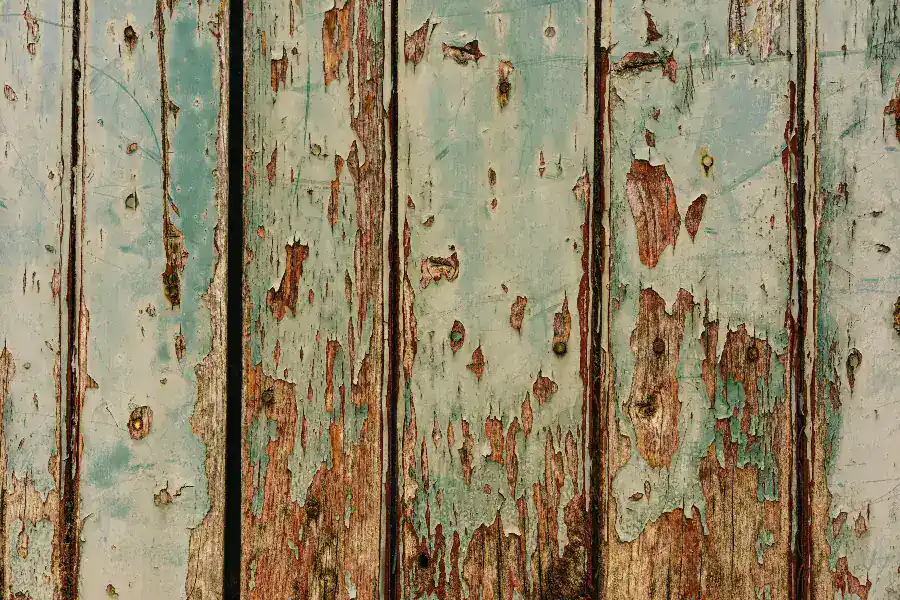
Watch for signs that the current surface is failing, not just faded.
Look for:
- Peeling paint across high-traffic areas
- Loose paint lifting at the edges of the boards
- Cracks forming in weathered wood
- Dark spots where moisture has been sitting
These are not cosmetic issues. They directly affect how well new paint will stick.
When to Fill Cracks Before Painting
Small cracks in deck boards are common in an old deck. Before you paint, fill those cracks with an exterior wood filler and sand the surface smooth once it dries. This helps protect the wood from moisture getting trapped inside.
Removing Old Paint and Finish the Right Way
Removing old paint is the secret to a professional result. You do not necessarily need to strip the whole thing down to bare wood, but you have to get rid of anything flaking.

How to Remove Loose Paint Safely
To remove loose paint cleanly, you will need a few key tools:
- A sturdy scraper to lift the flakes
- Medium-grit sandpaper to smooth the edges
- A stiff brush for corners and tight spots
This step is time-consuming, but it is what allows the new paint to bond properly and last longer.
Handling Heavy Peeling on Railings and Corners
Railings and corners always show the heaviest peeling because they are exposed from multiple angles. Scrape these areas until you reach solid paint or bare wood, then sand the edges so everything blends smoothly.
Power Wash and Prep the Surface
Once the loose paint has been addressed, it is time for a deep clean. Dirt, old finish, and years of grime need to come off before you apply anything new.
Why You Need to Power Wash
A power/pressure wash clears out dirt trapped deep in the wood grain and removes leftover residue from the old finish. Without this step, even the best paint will struggle to stick.
How to Use a Power Washer Without Damage
If you use too much force, you can damage the wood.
Keep it controlled:
- Use moderate pressure
- Keep the spray moving
- Work with the grain
- Keep a safe distance from the surface
After washing, wait until the deck is completely dry. Not just dry on the surface, but fully dried through before moving forward.
Choosing the Best Paint for Your Deck
If you use the wrong product, you will end up having to redo the whole thing sooner than expected.
What to Look for in Specially Formulated Deck Paint
The best paint for wooden decks is designed to handle real-world conditions.
Look for:
- Durability under foot traffic
- Resistance to sun and moisture
- Flexibility to move with the wood
These features help protect the deck and extend the life of the finish.
Deck Paint vs Standard Exterior Paint
Standard exterior paint is made for walls, not for surfaces people walk on. Deck paint is thicker and designed to handle wear. Products from brands like Sherwin-Williams are built specifically for this type of use.
The Role of Primer in a Long-Lasting Finish
Primer helps create a strong bond between the wood and the paint. If you are working with bare wood or areas where old paint has been removed, using primer will improve the final result.
Oil-Based vs Water-Based Options
Oil-based products soak deeper into the wood and are known for durability, while water-based options dry faster and are easier to work with. Many modern water-based products now offer excellent performance.
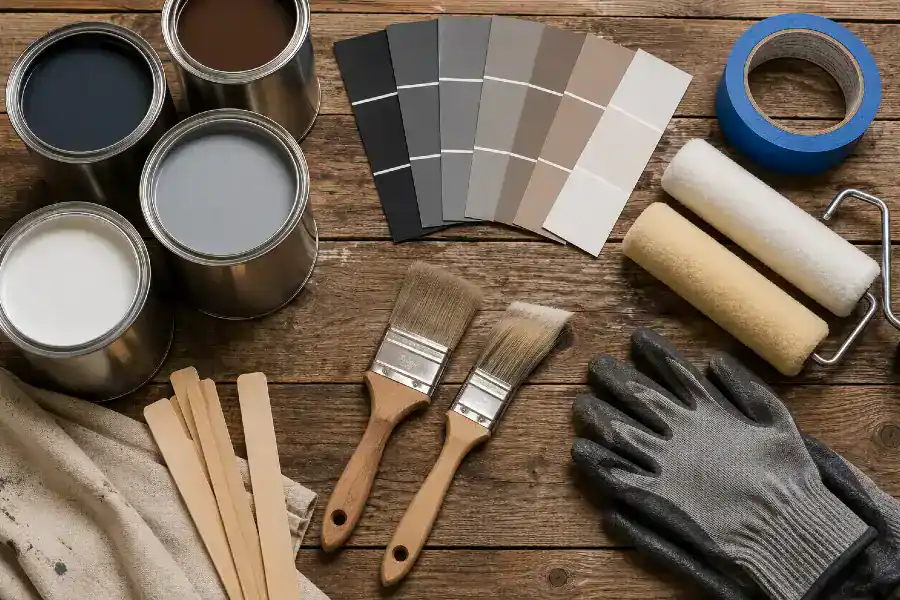
Tools You Will Need for the Job
The tools you use affect how the finished deck looks.
When to Use a Paint Sprayer
A paint sprayer is useful for railings and large areas.
It helps:
- Cover wide sections quickly
- Reach tight corners
- Apply an even first coat
If you spray, follow up with a brush to push the paint into the grain.
Using a Roller and Brush on Deck Boards
For the main deck boards, a roller gives even coverage. A brush helps with edges, corners, and detail work near the house.
How To Paint Deck Boards Step by Step
Now that the prep is done and the wood is completely dry, you can finally start painting.

Applying the First Coat Correctly
Start at one end of the deck and work your way out.
- Work in small sections
- Keep coats even and thin
- Brush edges before rolling the center
This first coat builds the base.
Applying Two Coats for Durability
You almost always need two coats. One coat might look fine at first, but it will not hold up under regular use. The second coat helps protect the surface and improve durability.
Always check the weather forecast before you start. You do not want rain hitting your new paint too early.
Common Mistakes to Avoid
- Painting during a hot day when the surface is too warm
- Ignoring the weather forecast
- Applying more paint before the first coat dries
- Skipping sanding on rough areas
Avoiding these mistakes helps create a long-lasting finish.
Maintenance and Upkeep for Your Painted Deck
Once the job is finished, the goal shifts from painting to keeping that finish in good shape. A painted deck can hold up for years, but only if you stay ahead of the small things. Most problems do not show up all at once. They start with light chipping paint, especially in high-traffic areas or spots that hold moisture longer than the rest.
If you catch those early, you can handle them in a few hours instead of turning them into a full repaint later. Letting it go is what turns a small fix into a much bigger project.
A simple routine goes a long way in protecting the work you just put in:
- Lightly pressure wash the surface every so often to remove dirt and buildup
- Keep an eye out for chipping paint and touch it up before it spreads
- Watch areas near your patio or entry points where dirt gets tracked in
- Check your lower deck sections more often since they tend to hold moisture
None of this is complicated, but all that deck maintenance adds up. The difference between a deck that lasts and one that constantly needs work usually comes down to how often it gets attention after the paint dries.
When Painting Is Not the Right Answer
Sometimes, painting is not enough to fix the problem.
Signs an Old Deck Needs Repair Instead of Paint
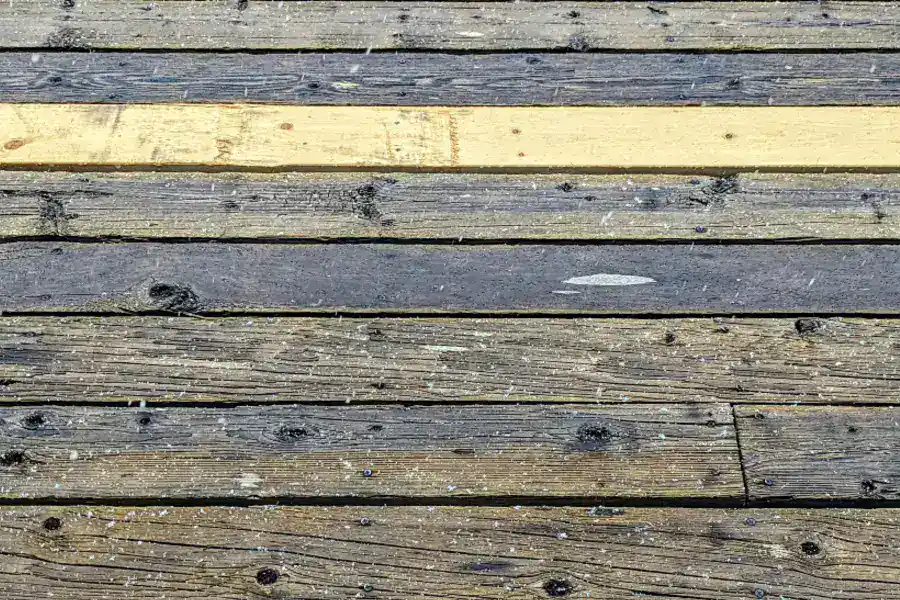
- Soft or spongy wood
- Sagging boards
- Deep cracks running through boards
These issues mean the structure needs attention before any finish is applied.
When Replacing Deck Boards Makes More Sense
If damage is widespread, replacing boards or sections of the deck may be the better long-term option. Adding a new stain or paint over failing wood will not solve the problem.
Build a Deck That Lasts

A painted deck can completely change how your outdoor space feels. It pulls everything together and makes the space feel finished instead of worn down.
But the real difference shows up over time. Prep, product, and maintenance all play a role in how well that deck holds up through real use.
At Tiller Deck and Fence, we help homeowners figure out what makes sense for their space, whether that is repainting, repairing, or starting fresh. If you are dealing with chipping paint, worn boards, or just tired of looking at it, we can take a look and point you in the right direction.
Reach out, and let’s walk your deck, your patio, and the whole setup so you know exactly what you are working with.