Introduction to Aluminum Fencing
Thinking about getting a fence but already expecting the maintenance nightmares it comes with?
We totally get it! Homeowners want a fence that looks great, holds up to the elements, and doesn’t turn into a maintenance headache five or ten years down the road. If you’re considering an aluminum fence, one of the first questions that probably comes to mind is simple: how long will it actually last? Is it really good value for money?
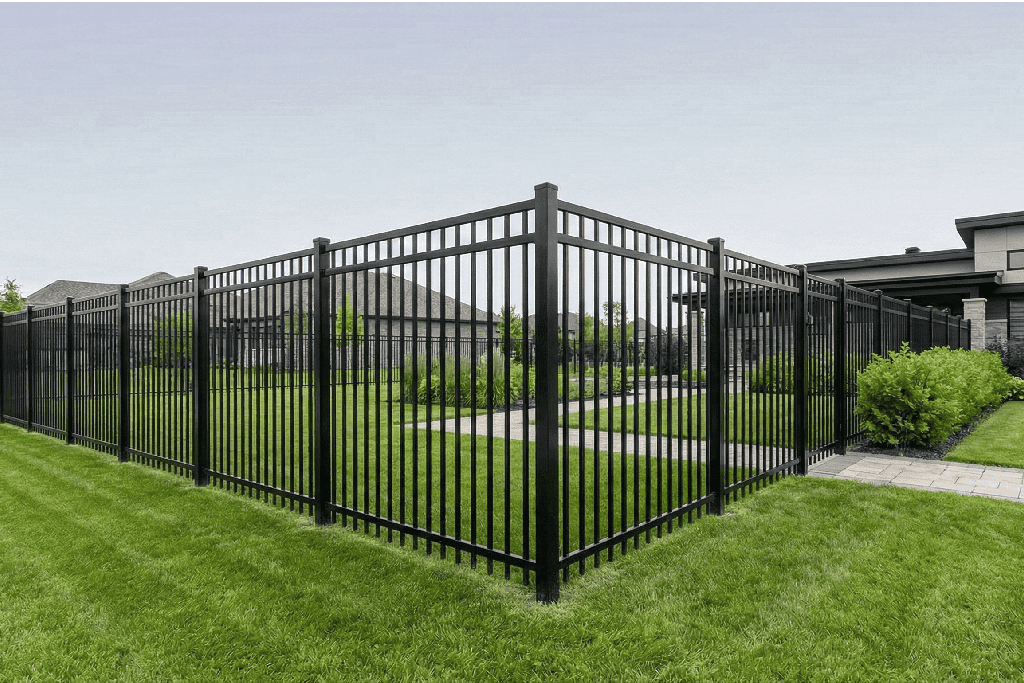
Aluminum fencing has become a top choice for property owners who want to define property boundaries and maintain property appearance with minimal effort. Known for its exceptional durability and very little maintenance requirements, homeowners prefer the less upkeep it provides.
With a wide range of heights and styles available, aluminum fences can be tailored to match any property’s unique details and features—whether you’re looking to secure a pool, define garden boundaries, or simply enhance curb appeal.
Typical Lifespan of Aluminum Fencing
The good news is that aluminum fencing is known for its durability. Due to its aesthetic versatility, it can also be suitable for both residential and commercial properties.
In Oklahoma City, aluminum fences can generally last between 30 and 50 years with basic care and proper installation. These fences are created to resist corrosion, fading, and warping far better than many traditional fencing materials. In ideal conditions, especially with professional installation, superior quality craftsmanship, and light maintenance, it’s not uncommon to see aluminum fences still performing well decades later.
Exceptional cases do exist. Poor installation, thin coatings, or exposure to harsh salt environments can shorten lifespan. When aluminum fences do fail early, it’s usually due to loose posts, coating damage, or impact damage, not corrosion or structural breakdown.
Factors That Affect Aluminum Fence Longevity
1. Climate and Weather Conditions
Local climate plays a role in how long any fence lasts. Aluminum favors humid, rainy, and freeze-thaw environments because it doesn’t absorb moisture or crack like wood. Extreme heat or constant wind won’t degrade aluminum, though this will depend on its installation quality.
2. Corrosion Risk from Salt or Chemicals
While aluminum does not rust, exposure to salt air, pool chemicals, or de-icing agents can wear down lower-quality coatings over time. To solve this, coastal areas and pool enclosures benefit from premium powder coatings designed to resist chemical exposure.
3. Coating Quality and Thickness
Powder coating is the unsung hero of aluminum fence durability. Thicker, professionally applied coatings protect the metal from oxidation, UV fading, and surface wear. As a result, cheaper fences often fail at the coating level long before the aluminum itself wears out.
4. Installation Quality and Post Anchoring
Even the best fence panels won’t last if the posts aren’t properly anchored in the ground. Posts set too shallow or without adequate concrete support can shift, lean, or loosen over time. When you install an aluminum fence, you will rely on the expertise of a professional. The right installation dramatically improves fence lifespan by ensuring correct spacing, alignment, and anchoring depth.
In Oklahoma, properly installed deep posts are essential to prevent fence heaving due to local soil conditions. Using reinforced posts set firmly in concrete improves wind resistance for aluminum fences. Quick-set concrete is recommended to anchor the posts firmly in place during installation.
Low Maintenance Benefits and Care
Unlike wood, aluminum doesn’t need staining, sealing, or repainting every few years. Still, aluminum fences require basic care to maximize their advantages.
In most cases, aluminum fencing only needs a quick rinse with a garden hose every so often to remove dust and pollen, while mild soap and water can be used when dirt starts to build up. For stubborn spots, a soft brush or cloth usually does the trick.
An annual wash, along with checking hinges and latches, helps prevent premature wear and keeps everything operating smoothly.
For most homeowners, aluminum fencing maintenance takes minutes, not hours.
Aluminum Fence Panels: Materials and Construction
Most aluminum fence products are made from architectural-grade aluminum alloys, commonly 6063 or 6061. These products balance strength, flexibility, and corrosion resistance, making them ideal for fencing projects.
Typical panel construction includes hollow or reinforced pickets attached to horizontal rails. Higher-end systems use internal rail channels and concealed fasteners for added strength and cleaner appearance. These fences can also be installed using a rail system that allows the boards to slide between the posts.
For high-traffic or security-focused areas, reinforcement options such as heavier gauge rails or steel-reinforced posts can significantly increase durability without sacrificing appearance.
Aluminum Fence Styles and Their Impact on Durability
Aluminum fences come in a variety of types and finishes, allowing for customization to match property styles and preferences. Finishes are available in different colors and surface treatments, enhancing both durability and aesthetic appeal.
Aluminum fences are available in various designs, including open or fully enclosed styles, to match your desired aesthetics.
These styles include:
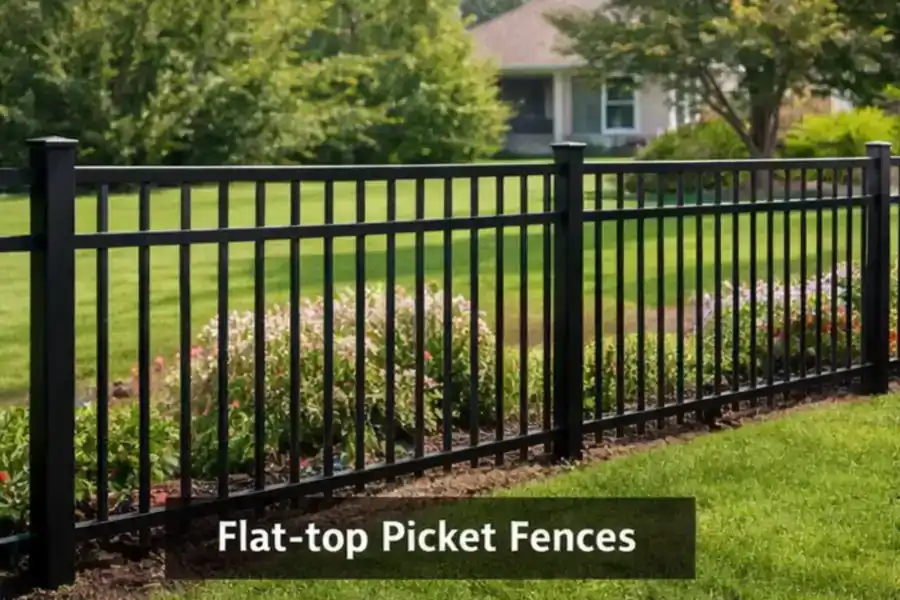
- Flat-top picket fences
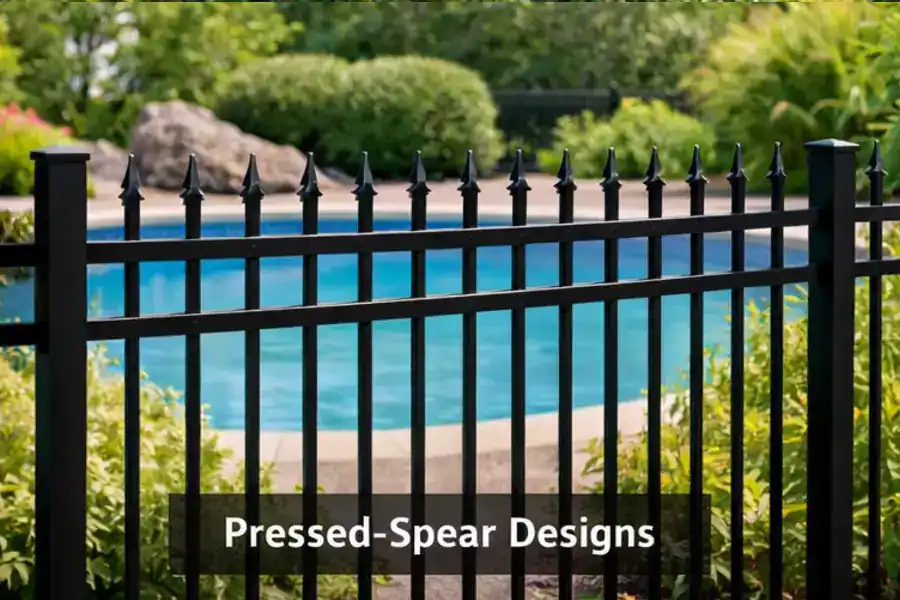
- Pressed-pear designs
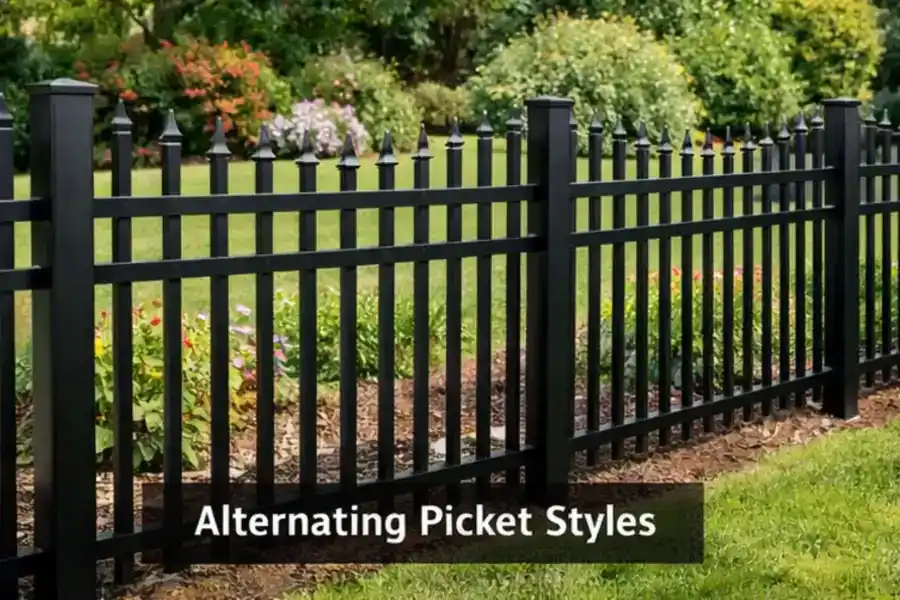
- Alternating picket styles
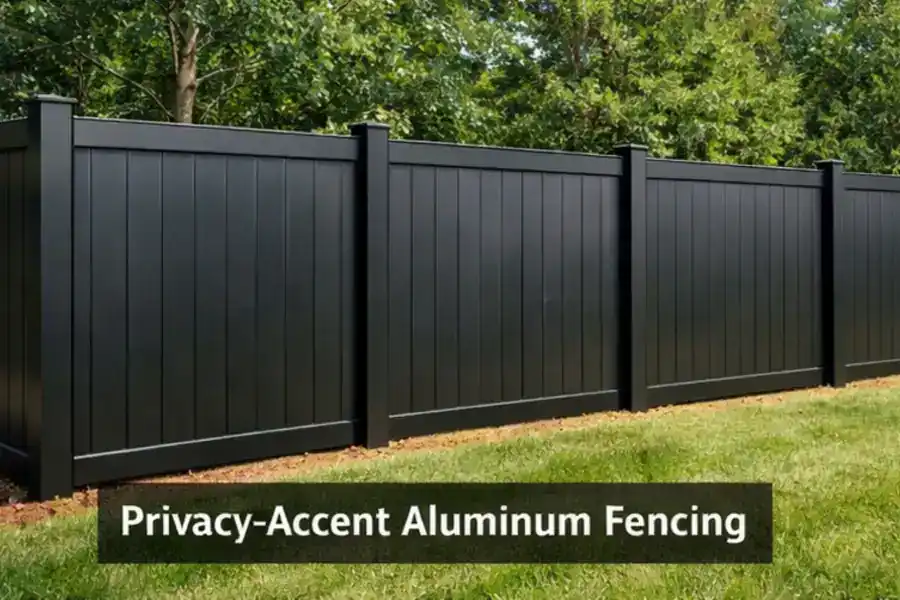
- Privacy-accent aluminum fencing
From a durability standpoint, simpler designs with fewer decorative points tend to last longest, as they have fewer stress points. Flat-top styles are especially popular for longevity and safety.
For pool enclosures, flat-top or flush-bottom styles meet code requirements while resisting corrosion from pool chemicals. For high-security uses, spear-top or reinforced panel styles offer added deterrence without compromising structural integrity.
Choosing the Right Aluminum Fence
Selecting the right aluminum fence for your property involves more than just picking a style you like—it’s about finding the perfect balance between security, appearance, and budget. When considering your choice, think about your property’s specific needs: Do you require extra security, or is enhancing curb appeal your main goal? By carefully selecting the right fence, you can boost your property’s value, ensure long-term security, and enjoy a beautiful, low-maintenance boundary that meets all your needs.
Customization Options
Another reason many homeowners choose aluminum fencing is the flexibility it offers when it comes to customization, allowing you to match your fence to your property’s style, from your gates to your house’s exterior.
You can fill them with additional decorative elements such as scrolls, finials, and spears. You can also choose from a variety of colors—including classic white, sleek black, and elegant bronze—to complement your home or business exterior. Beyond color, aluminum fences offer different finials, pickets, and posts, giving you the ability to design a fence that’s as unique as your property.
Whether you want a simple, streamlined look with open sightlines or a more decorative, ornate appearance, the available components and options ensure your fence is both functional and visually appealing. With the choice to customize, you can be confident your aluminum fence will meet your needs and enhance your property’s overall look. They become accessories that represent you.
Comparing Aluminum Fences to Other Materials
Aluminum vs. Wood
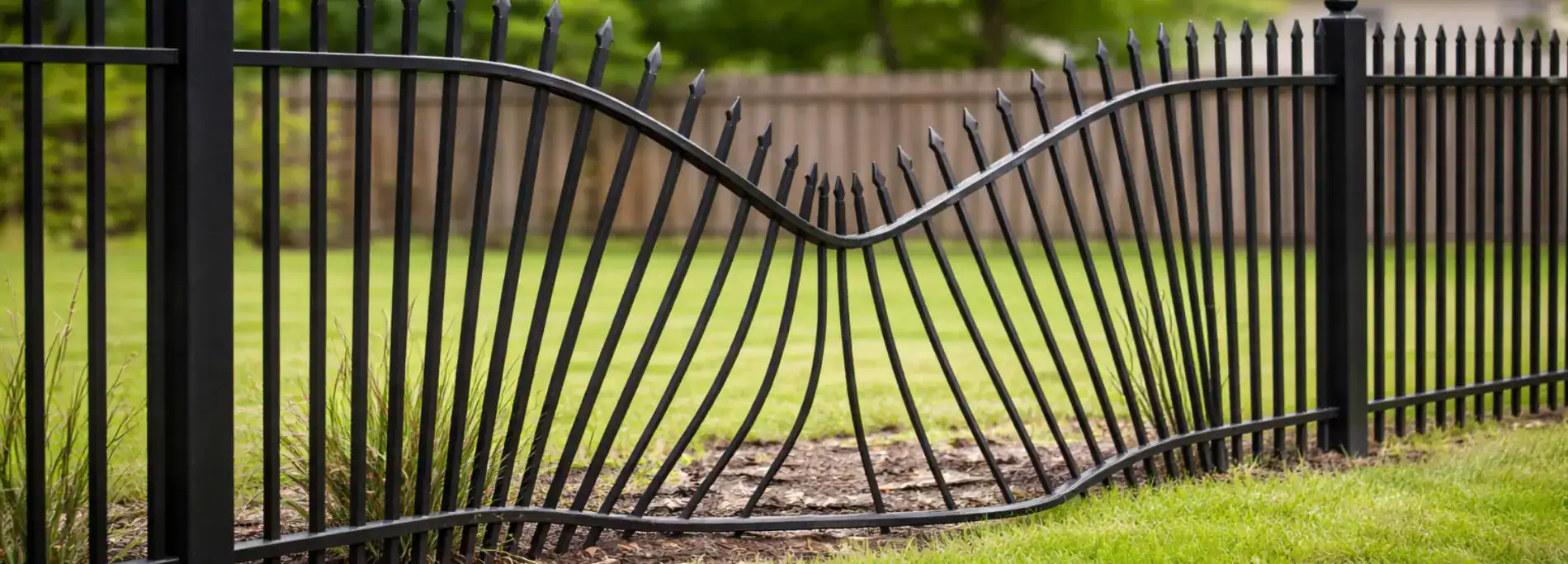
Wood fences typically last 10 to 15 years with regular maintenance. Aluminum more than doubles that lifespan and eliminates rot, insect damage, and constant upkeep. However, while aluminum is resistant to rust and rot, it can bend and curve when subjected to heavy impact or force, which may affect its durability in certain situations.
Aluminum vs. Vinyl
Vinyl fencing can last 20–30 years but is more prone to cracking in cold climates and fading in direct sunlight. Aluminum holds its shape better over time and offers greater strength.
Aluminum vs. Wrought Iron
Wrought iron can last decades but requires ongoing rust prevention and repainting. Meanwhile, aluminum delivers a similar appearance with more than half the maintenance required for wrought iron since there are no rust concerns.
Installation, Repair, and Warranties
When you order aluminum fence kits, installation instructions are provided to guide users through the assembly process. It’s important to decide on the right installer, considering their professionalism, excellence, and whether they specialize in aluminum fencing services to ensure a high-quality result. Make sure to view our website for further information.
Professional installation should always include:
- Proper post depth and concrete footings
- Correct panel spacing
- Level and plumb alignment
- Secure fastening systems
Common mistakes to avoid include shallow posts, inconsistent spacing, and cutting corners on anchoring. Minor repairs, such as replacing fasteners or touching up coating chips, are simple and inexpensive when addressed early.
Cost and Value Over Time
On average, aluminum fence installation ranges from prices of $30 to $60 per linear foot, depending on fence style, height, site conditions, and layout complexity. Decorative styles, heavier-duty panels, gates, and grade changes can all affect final pricing.
While aluminum fencing has a higher upfront cost than wood, its lifecycle cost is significantly lower. The size of the fence you need can influence the overall cost, as well as the experience and reliability you receive.
With minimal maintenance and long service life, aluminum often pays for itself within 10–15 years compared to repeated wood fence repairs or replacements.
Environmental Benefits
Aluminum fences offer significant environmental benefits, making them a responsible and sustainable choice for property owners. Unlike wood fences, aluminum fences do not require frequent staining or painting, which reduces the use of potentially harmful chemicals and lowers ongoing maintenance needs. Aluminum is also a highly durable material, meaning your fence will last for decades without needing replacement—further minimizing waste.
When the time eventually comes to replace an aluminum fence, the material can be recycled instead of ending up in a landfill, making it a more responsible long-term choice.
Maintenance Schedule Checklist (Quick Reference)
- Monthly: Rinse fence surfaces and visual inspection for loose hardware or damage
- Annually: Wash with mild detergent
- Every 5 years: Touch up any coating chips
Why Choose Tiller Fence and Deck
At Tiller Fence and Deck, we stand behind our work with a one-year workmanship guarantee on every aluminum fence we install. This guarantee covers installation-related issues such as post stability, panel alignment, and overall fence performance, giving customers added confidence that the job was done right.
Our focus is on proper installation from day one — setting posts to the correct depth, anchoring them securely, and installing every aluminum fence according to best practices. When an aluminum fence is installed correctly, it performs better, lasts longer, and requires fewer repairs over time.
When you choose Tiller Fence and Deck, you’re choosing a company that stands behind its installation and takes pride in delivering aluminum fencing built to last.
Ready to invest in an aluminum fence? Get a free quote on us by contacting us at (405) 784-4424 or at sales@tillerfenceanddeck.com